

Vietnam is long, thin and wildly varied, which makes planning a trip feel a bit like trying to refold a map along its original creases. Stretching roughly 1,600 km from the misty north to the steamy Mekong Delta, the country rewards anyone who gives it time, and punishes anyone who tries to see everything in a long weekend.
Two weeks is the sweet spot. It is enough to eat your way through Hanoi, sail among the limestone islands of Ha Long Bay, wander the lantern-lit streets of Hoi An and end up on a boat in the Mekong Delta, all without spending your holiday sprinting through departure lounges. This 15-day itinerary runs from north to south, balances culture with downtime, and is easy to tweak if you would rather linger somewhere.
Why Travel North to South (and How Long You Really Need)
Most travellers fly into Hanoi and out of Ho Chi Minh City, or the other way round, rather than doubling back on themselves. Going north to south has a pleasant rhythm: you begin with the history and street food of the capital, move through the imperial heart of the country, and finish in the busy, tropical south where the pace of life speeds up and the iced coffee gets sweeter.
Here is the route at a glance:
- Days 1–3: Hanoi
- Days 4–5: Ha Long Bay
- Days 6–7: Hue
- Days 8–10: Hoi An (with Da Nang as your gateway)
- Days 11–12: Ho Chi Minh City
- Days 13–15: the Mekong Delta and departure
That gives you four internal flights or long transfers at most, which is about as ambitious as a two-week trip should get. If you only have ten days, drop Hue and shorten the Mekong. If you have three weeks, add the mountains around Sapa or the caves of Phong Nha.
Days 1–3: Hanoi, Where Motorbikes Are a Contact Sport
Day 1: Arrive and Get Lost in the Old Quarter
Drop your bags, then dive straight into the Old Quarter, a tangle of narrow streets that were once named after the goods sold there. Crossing the road is a rite of passage: walk slowly, steadily and without sudden moves, and the motorbikes will flow around you like water around a rock. Settle in at a plastic stool on the pavement for your first bowl of pho or a plate of bun cha, and consider the jet lag officially forgiven.
Day 2: Lakes, Temples and History
Spend the morning around Hoan Kiem Lake and the Temple of Literature, Vietnam’s first national university, which dates back to the eleventh century. In the afternoon, visit the Hoa Lo Prison museum for a sobering look at the country’s colonial and wartime past, then finish with an egg coffee in a hidden café. It sounds like a dessert pretending to be a drink, and it is exactly as good as that suggests.
Day 3: A Day Trip or a Slower Pace
Many travellers use their last Hanoi day for Ninh Binh, a region of rice paddies and towering karsts about two hours south of the city, nicknamed the inland Ha Long Bay. If you would rather stay put, book a cooking class, catch a water puppet show or simply wander the French Quarter. Either way, it is a good day to get a decent night’s sleep before the road trip east.
Days 4–5: Ha Long Bay, the Postcard That Lives Up to Its Photos
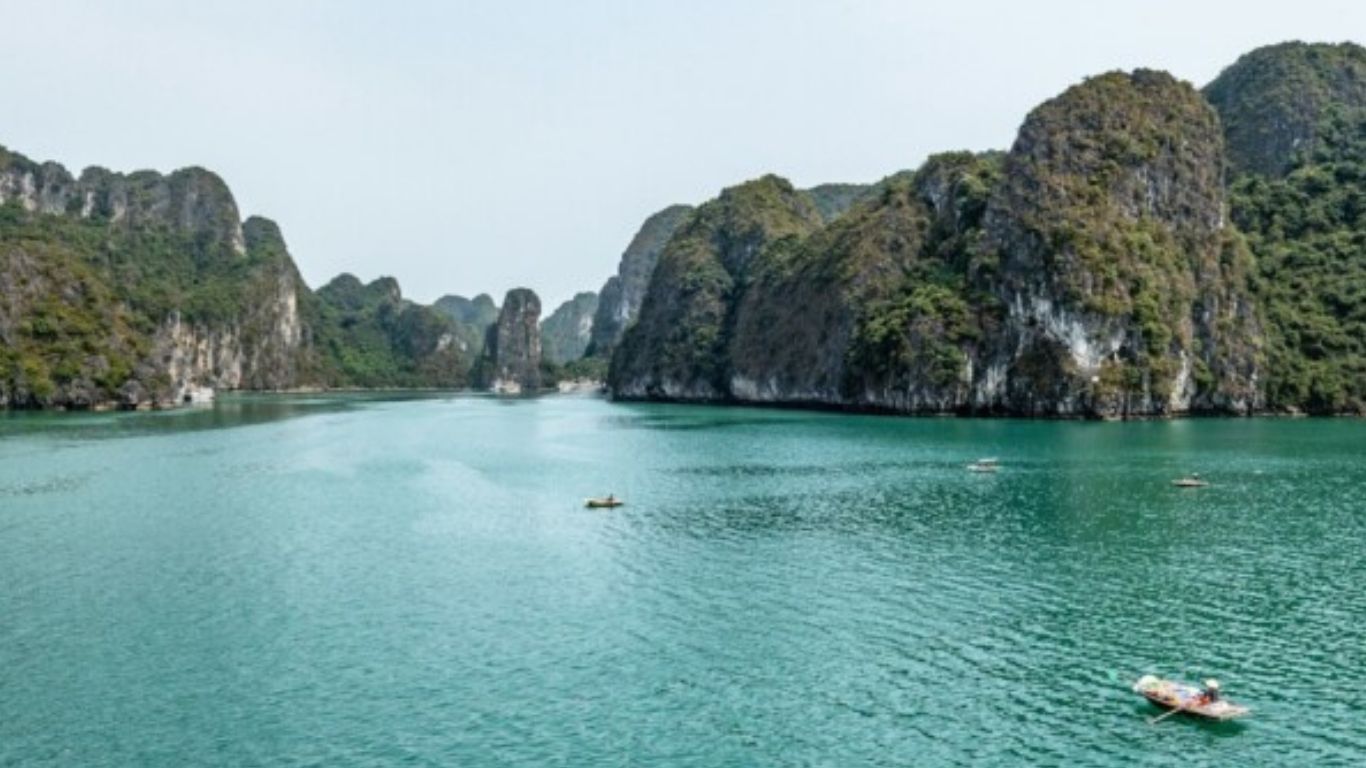
Ha Long Bay is a UNESCO World Heritage Site, listed by the UNESCO World Heritage Centre as Ha Long Bay – Cat Ba Archipelago, and it is every bit as dramatic as the pictures suggest: thousands of limestone islands rising out of emerald water. The drive from Hanoi takes around three hours depending on traffic, and most visitors board a cruise at midday.
Day 4: Board Your Cruise
Overnight cruises are the classic way to see the bay. Expect a seafood lunch, a kayak among the karsts, a cave visit and a sunset deck drink. The less crowded Lan Ha Bay, next door, offers the same scenery with fewer boats, so it is worth asking for when you book. Sunsets here are the sort that make everyone go quiet and then reach for their phones at the same time.
Day 5: Morning on the Water, Afternoon Back to Hanoi
Many cruises offer an early tai chi session on deck, which is optional but a lovely way to start the day, particularly if you have eaten as much as you probably will. After brunch you sail back to the harbour and return to Hanoi, ideally in time to catch an evening flight to Hue. Check the timing with your operator, because boat schedules and flight times do not always get along.
Days 6–7: Hue, Vietnam’s Imperial Past
Day 6: The Imperial City and Citadel
Hue was the capital under the Nguyen dynasty, and its Complex of Hue Monuments is another UNESCO World Heritage Site. Wander the walled Imperial City, with its moats, gates and ceremonial halls, and allow a couple of hours for it. Then sample the local food: Hue is famous for its spicy beef noodle soup, bun bo Hue, and for small steamed rice cakes that arrive in impressive quantities.
Day 7: Royal Tombs and the Perfume River
Spend the day visiting the royal tombs scattered along the Perfume River, each one a mix of pavilions, pools and shady pine groves that feels more like a garden than a mausoleum. Add a stop at the Thien Mu Pagoda, Hue’s best-known temple, and consider a river boat back into town. It is the quietest, slowest day of the trip, and your feet will thank you for it.
Days 8–10: Hoi An, the Town That Glows After Dark
Day 8: The Road South Over the Hai Van Pass
The journey from Hue to Hoi An is one of the best in the country. By road it takes roughly three to four hours with stops, climbing over the Hai Van Pass, whose coastal views have made it famous with motorbike enthusiasts and television presenters alike. Prefer the train? The coastal rail line between Hue and Da Nang is a scenic alternative. Either way, plan to reach Hoi An by the afternoon.
Day 9: Old Town and Lanterns
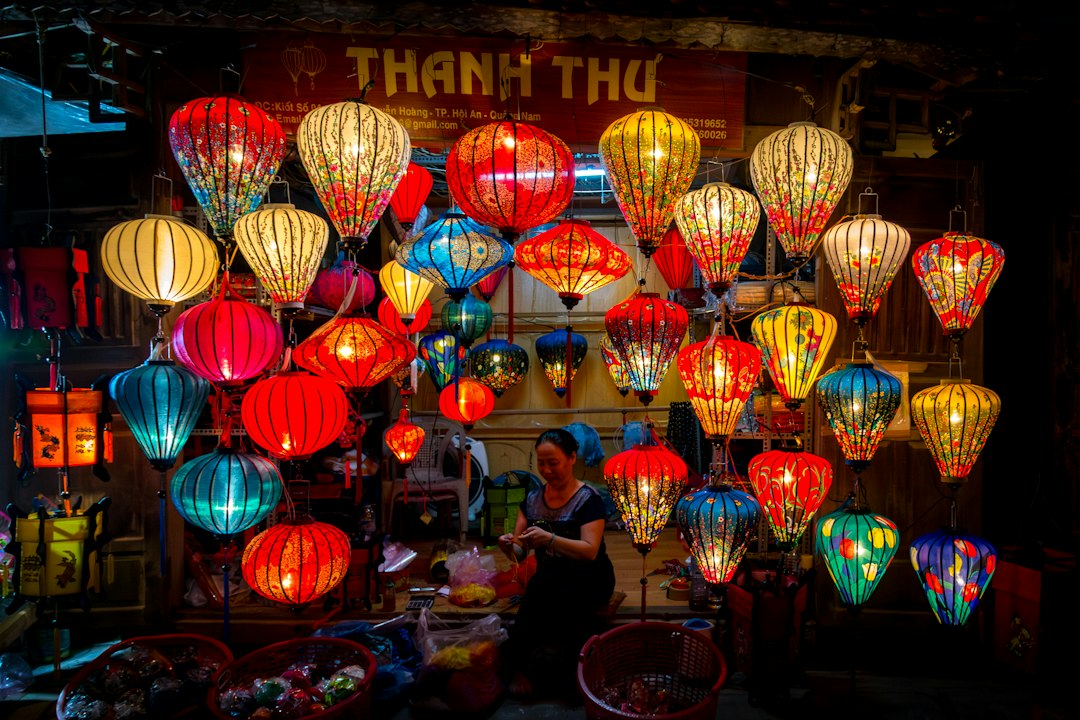
Hoi An’s Ancient Town is yet another UNESCO World Heritage Site, and it is easy to see why: wooden shophouses, merchants’ halls and a Japanese covered bridge, all strung with silk lanterns that switch on at dusk. Stroll in the morning before the crowds, then do as everyone does and order something tailor-made. Tailors here can turn around a shirt or dress in a day or two, so remember to leave space in your suitcase.
Day 10: Beach, Countryside or Cooking
Use your final day however you like. Cycle through the rice fields to a nearby beach, take a cooking class that starts with a market tour, or do absolutely nothing beside a pool. After a week of temples and early starts, a lazy day here is not laziness, it is strategy. Fly from Da Nang to Ho Chi Minh City in the evening, or first thing the next morning.
Days 11–12: Ho Chi Minh City, Fast and Fabulous
Day 11: Colonial Landmarks and War History
Ho Chi Minh City is louder, hotter and faster than Hanoi, and many people fall for it immediately. Start at the Reunification Palace, then visit the Notre-Dame Cathedral and the elegant Central Post Office, both from the French colonial era. In the afternoon, the War Remnants Museum offers a powerful, unvarnished account of the conflict that shaped the country. It is heavy going, so plan something lighter for the evening, such as a rooftop bar or a street food tour by scooter.
Day 12: Markets and the Cu Chi Tunnels
Browse Ben Thanh Market in the morning, bargaining politely and smiling a lot. After lunch, take a half-day excursion to the Cu Chi Tunnels, the underground network used during the war. If you are claustrophobic, you can stick to the above-ground displays, and nobody will think any less of you.
Days 13–15: The Mekong Delta and Departure
Day 13: Into the Delta
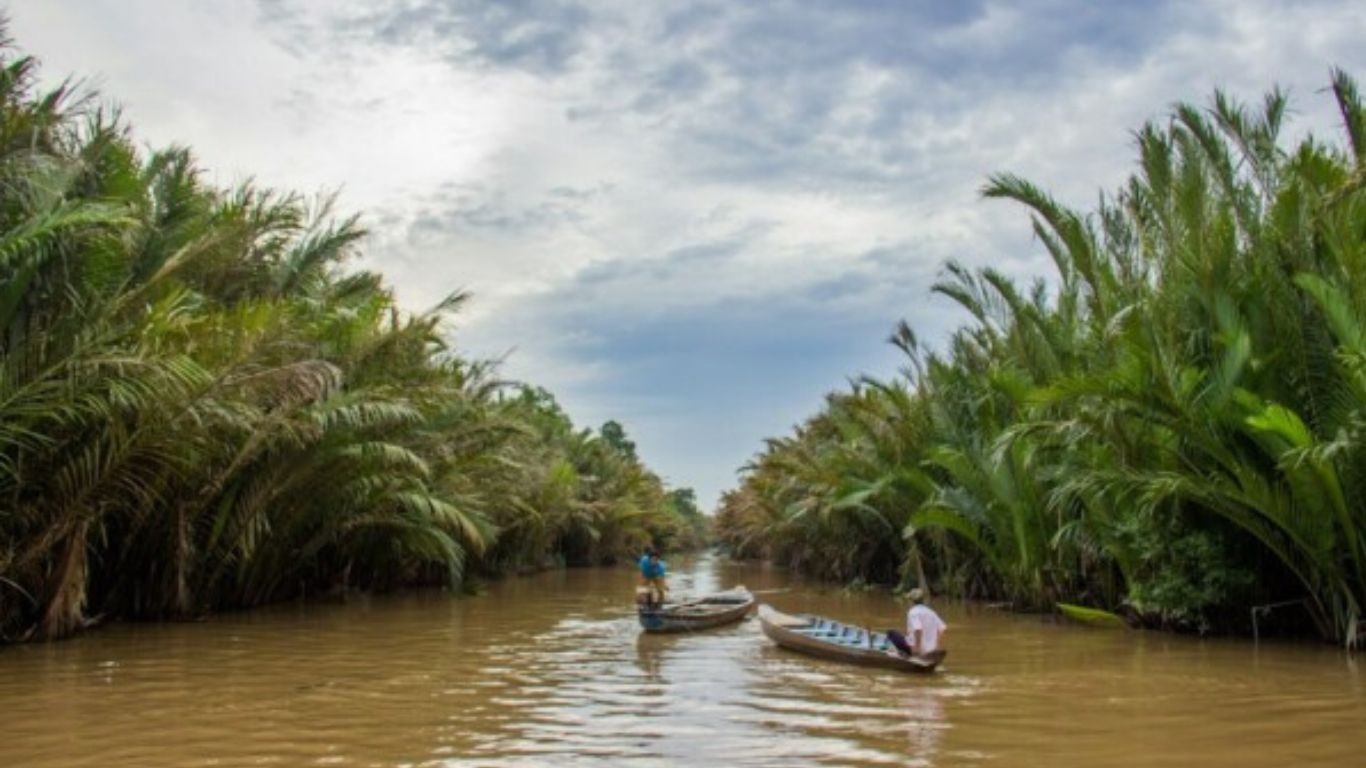
Leave the city behind and head into the Mekong Delta, a green maze of canals, orchards and floating villages a couple of hours south. Towns such as My Tho and Ben Tre offer boat trips along narrow waterways, coconut candy workshops and lunches of fresh river fish. Staying overnight in a homestay gives you a real taste of delta life, mosquito net and all.
Day 14: Floating Markets at Dawn
If you can face an early alarm, head out before sunrise to see a floating market, such as Cai Rang near Can Tho, where traders sell fruit and vegetables directly from their boats. Hang a sample of whatever they are selling from a pole and you will understand how to advertise in Vietnamese. Return to Ho Chi Minh City in the afternoon for a final evening of street food.
Day 15: Last Coffee and Flight Home
Squeeze in one last ca phe sua da, Vietnamese iced coffee with condensed milk, then transfer to Tan Son Nhat Airport for your flight home. Allow plenty of time for traffic, because the airport road has a mind of its own.
Practical Tips Before You Go
Visas and Passports
According to the UK government’s entry requirements for Vietnam, British passport holders can visit for up to 45 days for tourism or business without a visa. Your passport should be valid for at least six months after arrival and have at least two blank pages. Rules differ by nationality and can change, so always check the official guidance for your own passport before booking.
Getting Around
Domestic flights are frequent and fairly affordable, and they save a lot of time over the distances involved. For shorter hops, private drivers and tourist buses work well, and ride-hailing apps are handy in the big cities. Trains are slower but wonderfully atmospheric on the central coast.
When to Go
Vietnam has different climates in different regions, so there is rarely a perfect month everywhere. The north can be cool and grey in winter, the centre tends to see heavier rain in the autumn months, and the south is hottest and wettest in the middle of the year. Spring and early autumn are often the most comfortable overall, but a flexible itinerary matters more than the perfect date.
Frequently Asked Questions
Is two weeks enough for Vietnam?
Two weeks is enough to see the highlights from north to south at a comfortable pace. You will not see everything, but you will see the best of Hanoi, Ha Long Bay, the central coast and the Mekong Delta.
Should I travel north to south or south to north?
Either direction works, so choose according to flight prices and seasons. Many travellers prefer north to south because it ends with beaches and delta days rather than a big city.
Do I need to book everything in advance?
Book your international flights, internal flights and Ha Long Bay cruise ahead, especially in peak season. Smaller activities and restaurants can be arranged as you go.
Is it better to go with an organised trip or independently?
It depends on how much planning you enjoy. If you want to see what you could save and what you might lose, our guide to organised trips versus independent travel breaks it down.
Turn This Itinerary Into Your Trip
Every traveller has a different pace, so this route works best as a starting point rather than a script. Want an extra beach day, a slower Hanoi or a mountain stop in Sapa? Our team builds journeys around you, with internal flights, cruises and local guides organised in advance. Explore our tailor-made trips or get in touch and we will shape your Vietnam itinerary together.