
Cheap Ammunition That Actually Shoots Straight Without Breaking Your Wallet
Shooting frequently can strain a budget, but cheap ammunition solves that by offering reliable cartridges at a lower per-round cost without sacrificing basic function. These rounds use simpler bullet jackets, standard primers, and bulk powder loads that still cycle most firearms consistently for practice and plinking. By choosing these budget-friendly options, you can increase trigger time and hone accuracy without worrying about depleting your wallet after a range session.
What Actually Makes Ammo Affordable Without Being Unsafe?
Affordable ammunition remains safe when cost is cut through manufacturing efficiency, not material integrity. What actually makes ammo affordable without being unsafe is the use of fully jacketed bullets with thinner, uniform copper layers and high-volume, automated reloading of brass cases that pass strict dimensional gauging. Cheap rounds often use slightly softer primers or less precisely polished propellant, but these only affect ignition consistency, not chamber pressure. The real key is that budget brands do not reduce powder charge weights or use thinner case walls; they simply skip non-essential steps like nickel plating or sealed primer crimps.
You can buy inexpensive ammo safely by checking that it uses boxer-primed brass, standard velocity, and no visible corrosion—these cost-cutting choices never touch the cartridge’s pressure-bearing components.
Any round that fails a headspace check or shows bulging is cheap in quality, not price, and should be avoided.
Understanding the Difference Between Tier-1, Budget, and Remanufactured Rounds
Understanding the difference between Tier-1, budget, and remanufactured rounds starts with component quality and consistency. Tier-1 ammunition uses virgin brass, new primers, and precisely weighed powder charges, delivering tight accuracy and reliable cycling—ideal for defensive use. Budget factory loads often use the same new components but with looser tolerances, slightly lighter powder charges, or bulk-packed projectiles; they group wider but remain safe for practice. Remanufactured rounds are assembled from once-fired brass that is inspected, resized, and reloaded with fresh primers and powder. The critical distinction is that budget ammo is newly manufactured, while remanufactured relies on salvageable cases—meaning you must check for case wall thinning or primer pocket issues. For general training, budget rounds offer a safer middle ground; remanufactured suits high-volume plinking if you trust the loader. Choosing between tiers hinges on your firearm’s tolerance and your target distance.
Q: Are remanufactured rounds as safe as budget factory loads for a stock pistol?
A: Not always—remanufactured depends on the quality of the case sorting and resizing process. Budget factory loads start from virgin brass, eliminating prior stress, while remanufactured cases can hide micro-cracks from one prior firing. For a stock pistol with generous chamber clearance, both usually cycle fine, but if you shoot hot loads or use a tight-tolerance match barrel, remanufactured fails faster. Stick to budget new brass for mixed practice; reserve remanufactured for low-pressure calibers like .38 Special.
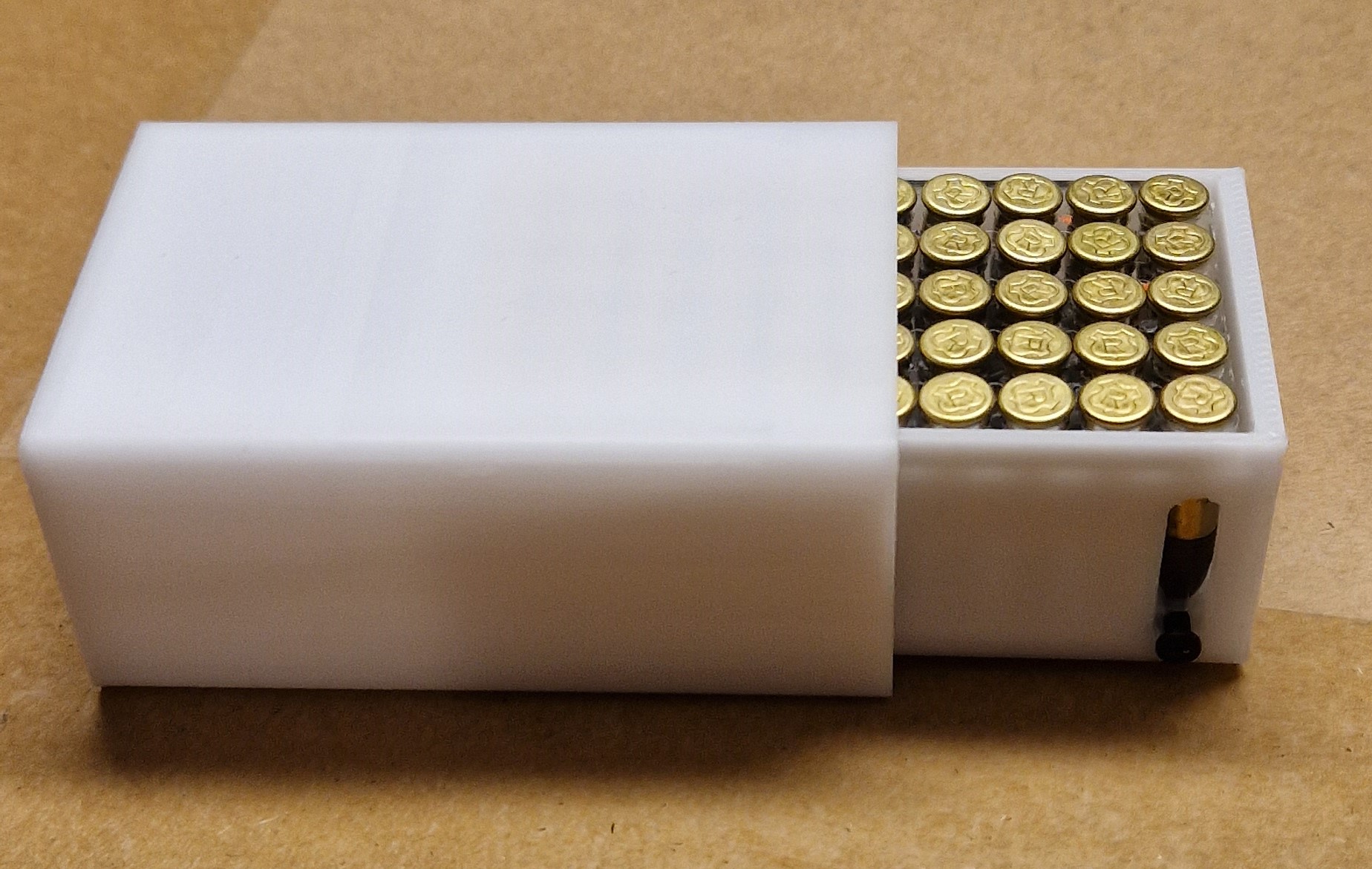
Why Steel-Cased and Aluminum-Cased Options Slash Your Per-Round Cost
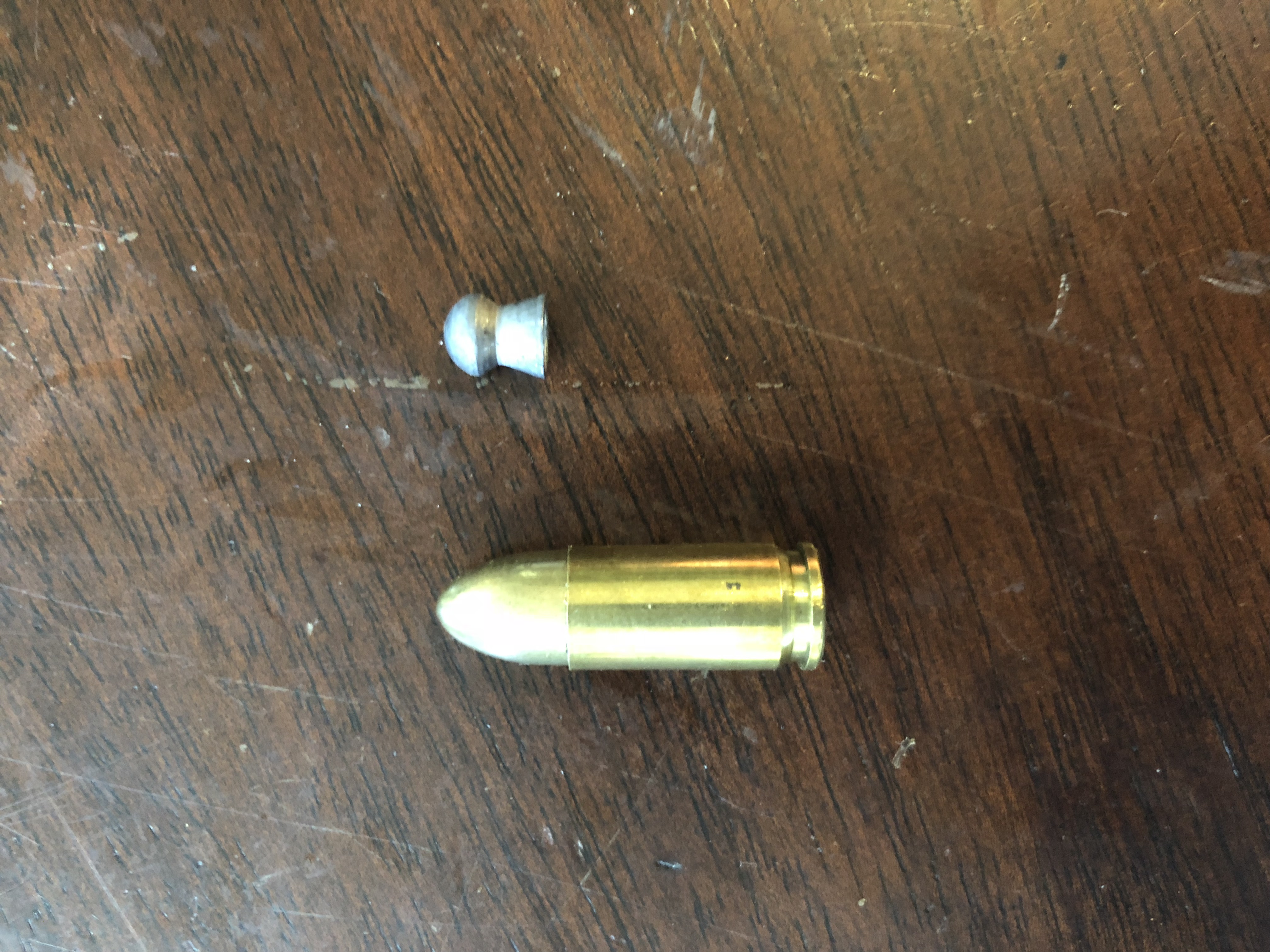
Steel-cased and aluminum-cased ammunition cuts per-round cost primarily because the case itself is cheaper to produce than brass, requiring less expensive raw material and fewer manufacturing steps. Since the case typically accounts for a significant portion of a cartridge’s price, swapping it for a non-brass alloy directly lowers your shelf price. Additionally, these cases are often not reloadable, which removes the embedded cost of brass’s durability—you pay only for a single-use container, not a long-term investment. However, the savings come with a trade-off: slightly reduced case expansion can lead to more carbon fouling in your chamber, meaning you’ll spend a bit more on cleaning supplies. Non-brass cases deliver the lowest cost-per-box for high-volume practice, letting you shoot more for the same budget.
Steel and aluminum cases slash per-round cost by using cheaper materials and single-use design, making them the most economical choice for volume shooting.
How Bulk Packing (250, 500, 1,000 Rounds) Reduces the Price Per Trigger Pull
Buying 250, 500, or 1,000 rounds at once slashes the price per trigger pull because you pay for manufacturing and logistics once, not per box. The per-unit cost of packaging, shipping weight, and retail markup drops sharply as case size grows, often shaving 15–30% off the cost of each cartridge. Bulk packing reduces the price per trigger pull by eliminating the “box premium”—you are not paying for 20 individual cardboard containers, plastic trays, or repeated restocking labor. A single 1,000-round case costs almost the same specialty sports and supply to ship as five 200-round boxes, yet delivers five times the trigger time. This lets you train twice as often for the same budget, turning a hobby into a skill set without compromising on primer or powder quality.
Q: How Bulk Packing (250, 500, 1,000 Rounds) Reduces the Price Per Trigger Pull?
A: It spreads fixed costs—boxing, freight, and dealer handling—over dozens or hundreds of cartridges, so each round’s overhead shrinks dramatically, dropping your cost per shot and making practice financially sustainable.
How to Spot Good Cheap Ammo for Your Pistol or Rifle
You find a screaming deal on a fifty-round box, and your gut says grab it—but cheap ammo punishes the impatient. First, shake the box: loose rattle means sloppy case tolerances, a red flag for feeding issues in your pistol’s tight chamber. Run your thumb over the primer—if it sits proud instead of 9.3x72R Ammo for Sale flush, you’re begging for light strikes. For rifle rounds, inspect the neck for crimp rings: a consistent, even crimp beats a crushed one every time. Drop a single round into your barrel’s chamber; if it seats with a smooth *thunk* and extracts without sticking, you’ve likely won. Cheap ammo is only good when it cycles, extracts, and holds zero on your gun, not just on paper specs.
That budget box that groups three inches at fifty yards but jams every fifth round isn’t cheap—it’s a liability you paid for.
Trust your own firearm’s rhythm over brand hype, and you’ll turn scrap into savings.
Which Bullet Weights and Grain Loads Give You the Best Value for Range Practice
For range practice, stick with the bullet weight your gun naturally likes, but don’t pay extra for premium hunting loads. In 9mm, 115-grain or 124-grain FMJ flat-nose rounds are the sweet spot—they’re cheap, cycle reliably, and mimic defensive recoil closely enough. For .223/5.56, 55-grain is the budget king, while 62-grain green tip is heavier and often pricier without giving you better target accuracy. Heavier grains (like 147-grain 9mm) cost more per box and add recoil, which can fatigue you faster. The best value isn’t the cheapest round, but the lightest standard load that functions 100% in your firearm. Buy bulk 115-grain or 55-grain and save your cash for trigger time. Best value grain loads for range practice are always the most common military-spec weights—they’re mass-produced and discounted.
Q: Do heavier bullets ever give better range value? Only if your pistol or rifle is finicky and jams on light loads—then a mid-weight like 124-grain 9mm or 69-grain .223 might prevent malfunctions, saving you ammo and frustration. Otherwise, stick to the lightest 6mm Remington Ammo for Sale reliable weight.
Checking for Consistent Primer Seating and Case Neck Tension in Budget Boxes
When you’re sorting through cheap ammo, take a hard look at the brass before you even load a mag. Run your thumb over primer pockets—if primers sit flush or slightly below the case head, seating is consistent; proud or cratered primers mean sloppy pressure or uneven pockets. For rifles, check neck tension by pressing a bullet against a hard surface—if it easily pushes into the case, that box has weak grip, leading to erratic accuracy and potential setback. A quick shake test on pistol rounds (listen for powder rattle) can hint at loose bullets, but the real tell is a uniform crimp line around the neck. Reliable budget ammunition demands uniform case neck tension to keep bullets put under recoil.
**Q: Should I skip a budget box if a few rounds show off-center primers?**
Yes—if a handful are inconsistent, the entire lot likely has 7mm Rem Mag Ammo for Sale uneven seating, which can cause ignition hiccups and fliers downrange.
When to Choose Full Metal Jacket (FMJ) Over Hollow Points to Save Money
Choosing FMJ over hollow points to save money hinges entirely on your training goals. For routine range practice, zeroing optics, or building muscle memory, ball ammunition delivers identical cycling reliability at a fraction of the cost, letting you shoot twice the rounds for the same budget. Reserve pricey defensive hollow points strictly for confirming your carry load feeds, cycles, and hits point-of-aim. Follow this sequence to maximize savings: first, run 100 FMJ rounds to verify the pistol functions; second, shoot just two magazines of hollow points to confirm feeding; third, return to FMJ for all remaining practice. Never burn premium expanding rounds on simple drills—save them for the rare, critical role they alone perform.
Where to Buy Bargain Rounds and How to Store Them So They Last
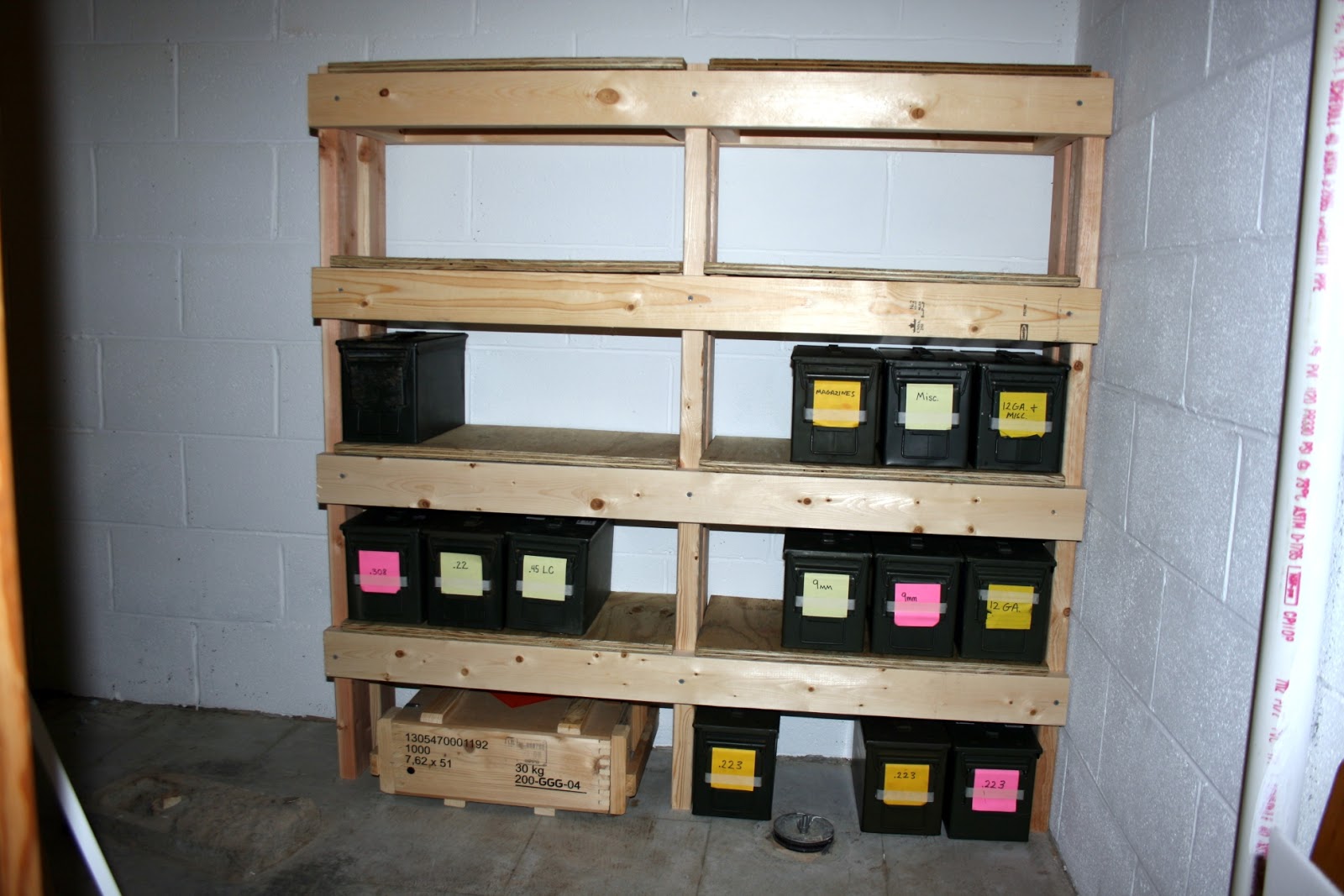
For cheap ammunition, the best sources are online bulk retailers like Target Sports USA, 9.3x62mm Mauser Ammo for Sale SG Ammo, or MidwayUSA, which offer free shipping on case orders, and local gun show vendors who discount overstock. To make bargain rounds last, store them in a low-humidity environment—ideally below 50% relative humidity—using a sealed ammo can with desiccant packs. Keep the original cardboard boxes inside the can to limit rattling, and rotate your stock by shooting the oldest rounds first. Avoid storing loose rounds in fabric pouches or damp basements, as corrosion on primers and brass kills reliability. A temperature-stable closet or safe works best, so your cheap ammunition performs like premium on range day.
Online Retailers vs. Local Big-Box Stores: Which Gives You Lower Shipping Costs?
When comparing cheap ammunition shipping costs, online retailers often appear cheaper per box, but their freight charges—typically flat-rate or weight-based—can erase savings on small orders. Local big-box stores like Walmart or 9mm Ammo for Sale Bass Pro Shops eliminate shipping entirely, but their shelf prices run 10–20% higher on common calibers like 9mm. For bulk buys (500+ rounds), online wins because per-round shipping drops below $0.02, whereas a single 50-round box online may cost $8–12 in shipping—more than the in-store price difference. Big-box stores also add hidden costs: fuel, sales tax, and time. Online retailers frequently offer free shipping thresholds ($99–$150), which then outpaces any local deal. If you need only 100 rounds urgently, buy locally; if you plan ahead for 1,000 rounds, online shipping costs become negligible.
Using Ammo Seek and Price Comparison Tools to Find a Deal in Minutes
When hunting for cheap ammunition, Ammo Seek and similar price comparison tools turn a tedious tab-by-tab hunt into a real-time price war you win in minutes. Instead of refreshing ten storefronts, you instantly see per-round costs across hundreds of vendors, including shipping and tax estimates. To score the deal fast: filter by caliber, set a price-per-round cap, then sort by “total 9×18 Makarov Ammo for Sale cost” to expose hidden fees. Next, check vendor ratings and shipping speed right in the results table, then click through to lock the lowest verified price. This aggregated search means you never overpay again, simply because you knew where to look first.
Proper Humidity Control and Ammo Cans to Prevent Corrosion on Cheap Rounds
Cheap ammo often arrives with less protective lubricant, making proper humidity control in sealed ammo cans essential to prevent corrosion on bargain rounds. Before sealing, wipe down exposed brass with a dry cloth to remove moisture from handling, then place desiccant packs inside the .50 Cal Ammo for Sale can—rechargeable silica gel works best for repeated use. Avoid storing cans directly on concrete floors, as temperature shifts cause condensation inside; elevate them on a shelf or wood pallet. Open the can only briefly in dry conditions, and if you live in a humid climate, swap desiccants every few months. A simple visual check for verdigris or spotting on case mouths tells you whether your humidity control is failing before corrosion ruins your stash.
Q: How often should I replace desiccant packs in ammo cans for cheap rounds?
A: Inspect them monthly; if the indicator crystals turn pink or gel feels hard, recharge or replace them—typically every 2–3 months in coastal or monsoon areas, and semi-annually in arid regions.
Performance Tips: Getting Accuracy and Reliability Out of Low-Cost Rounds
To get accuracy from low-cost rounds, first sort by headstamp and bullet weight, as mixed lots often shift point of impact. Clean the chamber and bore thoroughly, since budget ammunition tends to leave more fouling that degrades precision after a few shots. Test multiple boxes to find a batch your firearm groups consistently, then zero with that exact lot. For reliability, focus on feeding: polish feed ramps and ensure your magazine springs are strong, as cheap cartridges sometimes have slightly out-of-spec rims or primers. Storing low-cost ammo in a 7mm Rem Ultra Mag Ammo for Sale dry, stable environment reduces misfires from moisture-sensitized primers. If you experience light strikes, compare primer seating depth across rounds—shallow primers are a common cause. Q: How do you fix frequent failure-to-feed with cheap ammo? A: Inspect case rims for burrs and lightly chamfer them with a file, then test one magazine at a time to isolate the problem. Finally, shoot slow strings to let barrels cool, as thin-jacketed budget bullets heat up and lose stability.
Cleaning Your Firearm More Often When Shooting Cheaper, Dirtier Powders
Cheaper ammunition often relies on dirtier powder formulations that leave heavier carbon fouling and unburned granules behind. This residue builds up faster in the chamber, bolt face, and gas system, directly impacting reliability. If you shoot budget rounds, plan to clean after every 100–150 rounds instead of stretching it out. Focus on the bolt lugs, firing pin channel, and feed ramp—these collect the most grit. Waiting until accuracy drops means fouling has already affected lock-up and trigger feel.
- Field-strip and scrub the bore with a solvent designed for carbon, not just copper.
- Wipe the bolt face and extractor with a cloth soaked in degreaser.
- Lubricate lightly—dirtier powder mixes with excess oil into paste, so go thin.
A quick dry-brush between range sessions also prevents hard carbon from baking in.
Adjusting Your Grip and Sight Picture to Account for Slight Velocity Variations
With inexpensive ammunition, slight velocity variations shift your point of impact vertically, demanding a compensatory sight picture for budget ammo. First, observe your group’s dispersion pattern across a fixed distance; if shots string low-left, your grip’s recoil management is absorbing inconsistent muzzle energy unevenly. Tighten your support hand’s pressure to stabilize the frame during the brief pressure spike, while your dominant hand keeps trigger control neutral. Then, elevate your front sight post by one to two millimeters from the precise center, anticipating the slower or faster bullet’s drop or rise. Your sight alignment must become a dynamic calculation, not a static anchor. Adjust your grip’s wrist angle slightly forward to counter weak primer ignition’s delayed unlock. Finally, test three consecutive five-round groups, recalibrating only after each full string, ensuring your correction matches the ammo’s real variance trend.
Testing a Single Box First to Confirm Function in Your Specific Magazines
Before committing to a bulk purchase of budget ammunition, buy a single box and run it through each of your specific magazines. Feed lips and spring tension vary, and a round that loads flawlessly in one mag can nose-dive or hang up in another. Load the same five rounds repeatedly, chambering and ejecting them manually to observe friction points. Then fire a full magazine from each, watching for slide lock failures or double-feeds that indicate the cartridge’s profile is marginal. This controlled test isolates magazine compatibility from firearm function, preventing a case of ammo that only works partially.
Testing one box across your magazines confirms magazine-specific feed reliability before you invest in bulk cheap rounds.
Your Top Questions About Saving Money on Ammunition Answered
When hunting for cheap ammunition, the first question is always where to buy without sacrificing function. Focus on reputable online bulk retailers that offer free shipping thresholds, and compare per-round costs rather than box prices. Another common query involves caliber choice—switching to a more economical round like 9mm or .22 LR drastically reduces your range-day budget. You can also save by buying military surplus or reloaded rounds, but verify they’re new-production brass to avoid malfunctions. Finally, ask about seasonal sales and email sign-up discounts; these stack with your cheap ammunition strategy, letting you stock up at 20% below standard pricing. Prioritize velocity and grain weight you actually need, not premium hunting loads, to stretch every dollar without losing reliability.
Is It Safe to Shoot Remanufactured or Factory-Second Rounds?
Remanufactured and factory-second rounds can be safe, but only if you buy from a reputable source. Your safety with remanufactured ammo hinges on inspection—each case should be checked for cracks, proper primer seating, and correct powder charge. Factory seconds may just have cosmetic blemishes, but they can also have hidden issues, so treat them with caution. Start by inspecting every round visually, then test a small batch in a sturdy firearm, and finally, check your brass after firing for bulges or splits. If anything looks off, stop and stick to new factory loads. Cheap is great, but a blown case isn’t worth the savings.
How Much Can You Realistically Save by Buying Cheap vs. Premium Brands?
Realistically, the gap between budget and premium ammunition often lands at 20–40% per box, but your true savings depend on how you shoot. For casual range practice, cheap ammunition for high-volume drills can cut yearly costs by hundreds of dollars, especially when buying in bulk. However, premium rounds deliver tighter tolerances and consistent velocities, which matter for zeroing optics or defensive loads—saving a few cents per round isn’t worth a malfunction. A practical split: use budget ammo for fundamentals and reserve premium for accuracy validation. Over 2,000 rounds annually, cheap brands might save $150–$300, but cost-per-round only counts if the firearm cycles reliably.
| Scenario | Cheap Brand | Premium Brand | Your Saving |
|---|---|---|---|
| 500 rounds range use | $220 | $350 | ~$130 |
| 1,000 rounds mixed training | $450 | $700 | ~$250 |
| 200 rounds defensive carry | Not recommended | $180 | N/A (safety priority) |
What’s the Best Way to Mix Budget Rounds for Practice and Carry?
To balance cost and safety, reserve your budget-friendly practice rounds exclusively for range drills, while keeping a separate, sealed box of premium defensive ammunition for carry. Buy cheap FMJ in bulk for the bulk of your training, but never cheap out on the rounds you trust with your life. A practical split is 95% budget ammo for reps, Ammunition for Sale recoil control, and malfunction drills, and 5% high-quality hollow points for monthly function-testing. Shoot your carry load sparingly—just enough to confirm zero and reliability in your specific firearm—then rotate that same lot into your magazine, not the cheapest option on the shelf.