

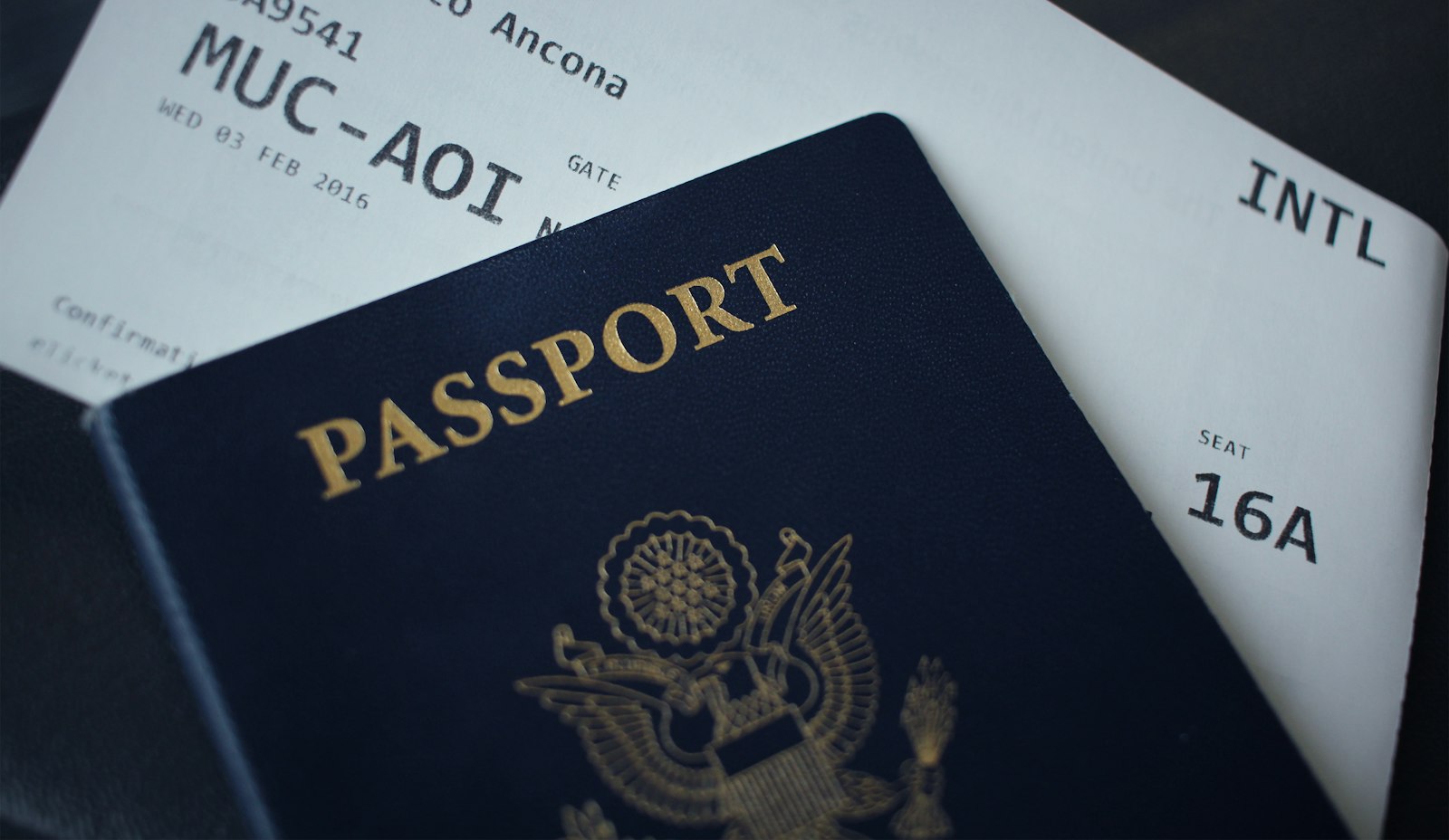
Ask a room full of travellers whether you need a visa for Egypt and you’ll get a confident chorus of “yes”, “no”, “you just pay at the airport” and “my cousin’s friend got in for free”. All of them are a little bit right, which is exactly why it’s confusing. The good news is that the rules are simple once someone lays them out in order, and nobody should have to learn them while standing in a queue with a suitcase and a dwindling phone battery.
So here’s the order. This guide explains who needs an Egyptian visa, the three ways to get one, what it costs, how long it lasts and the little mistakes that trip people up at passport control.
Do you need a visa to visit Egypt?
For most travellers from the UK, Spain and the rest of Europe, the answer is yes. The UK government’s entry requirements for Egypt state that British passport holders normally need a visa, and the Spanish Ministry of Foreign Affairs says the same for Spanish citizens holding an ordinary passport: a tourist visa is required, and the standard one is a single-entry visa valid for 30 days.
There is one famous exception, which we’ll come to in a moment: staying in the Sinai resorts only. For everything else (the pyramids, Luxor, Aswan, a Nile cruise, the Red Sea resorts outside Sinai), you need the visa.
Rules can change, and officials have a habit of updating them without sending you a personal email. Always check the official pages linked in this guide a few days before you fly.
Three ways to get your Egypt visa
You can arrange an Egyptian tourist visa in three ways, and none of them requires a mountain of paperwork. Which one suits you depends on how organised you are and how much you enjoy airport queues.
Visa on arrival
This is the classic. You land, buy a visa sticker from a bank or exchange kiosk before you reach immigration, and head to the desk. According to GOV.UK, the physical visa costs 30 US dollars, is cash only and is valid for up to 30 days. The same page points out that you don’t need an agent, and that agents often charge more than 30 US dollars. In other words, you can save yourself some money by simply doing it yourself.
There is a newer option too. GOV.UK reports that from 1 August 2026, Cairo International Airport offers a digital visa on arrival for 36 US dollars, which includes a 6 US dollar service fee. You pay by card only, using self-service machines or the Visa on Arrival portal. The Spanish ministry adds a useful practical tip for the card terminals: they charge in US dollars, so check with your bank about foreign exchange fees if you’re paying from a euro or sterling account.
Our advice? Bring a little cash in small US dollar notes anyway. Change is not always given, and a 50-dollar note for a 30-dollar sticker is a recipe for a long, awkward conversation.
The Egypt eVisa online
If you like having things sorted before you leave the sofa, the official Egyptian eVisa portal is for you. On visa2egypt.gov.eg you create an account, fill in the application form and pay online by debit or credit card. The portal asks you to submit your application at least seven days before departure, and you’ll receive an email once it has been processed. GOV.UK says tourist e-visas are valid for up to three months and recommends applying in advance to avoid delays.
One thing worth knowing: the Spanish ministry notes that the online route may involve longer waits at border control than you’d expect. Keep a printed or saved copy of your approval handy and stay patient.
Stick to the official website. Plenty of lookalike sites offer to “help” with your application at an inflated price, and you definitely don’t need them.
At an Egyptian embassy or consulate
You can also apply in person or by post at the Egyptian Consulate General in the UK, or at the Egyptian Embassy in Madrid if you’re in Spain. This is the most old-fashioned route, but the Spanish ministry actually recommends it if you are arriving by land or sea, and suggests a multiple-entry visa if you will be crossing other countries’ borders during your trip. If your itinerary is more than a simple airport-to-hotel affair, it’s worth asking.
Passport requirements
Your visa is only as good as your passport. GOV.UK states your passport must be valid for at least six months after your arrival date and have at least one blank page. The Spanish ministry also asks for six months of validity beyond your planned stay. So if you’re travelling in March and your passport expires in July, don’t wait until the airport to find out. Renew it early, and spare yourself a very bad day.
A few other basics worth packing in your hand luggage:
- Your passport with enough blank pages and six months’ validity.
- A printed or saved copy of your eVisa approval, if you applied online.
- Cash in US dollars for the visa on arrival, with notes small enough to avoid change problems.
- Your hotel booking or itinerary, in case the officer asks where you’re staying.
The Sinai exemption
Here’s the exception. GOV.UK explains that if you arrive by air at Sharm El-Sheikh and stay for under 15 days within Sharm El Sheikh, Dahab, Nuweiba or Taba, you receive an entry permission stamp on arrival rather than a full visa. The Spanish ministry describes a similar rule: travellers who enter directly through Sinai and stay in the peninsula for under 15 days are exempt from the visa, though it mentions a 30 US dollar fee. Since the two sources describe the charge differently, check the current fee with your airline or the Egyptian authorities before you fly.
The catch is the word “only”. If you leave Sinai, even for a day trip to Cairo, or if you transit through Cairo airport, you’ll need the full visa. It’s a great option for a pure beach break, but not for a pyramids-and-temples itinerary.
How much does an Egypt visa cost?
Here is the quick maths, based on the two official sources above:
- Visa on arrival (sticker): 30 US dollars, cash, valid up to 30 days (GOV.UK).
- Digital visa on arrival at Cairo airport (from 1 August 2026): 36 US dollars including a 6 dollar service fee, card only (GOV.UK).
- Airport, port or land border visa for Spanish citizens: 36 US dollars (30 dollar visa fee plus 6 dollar handling), with exact cash recommended (Spanish Ministry of Foreign Affairs).
- eVisa: the fee is shown on the official portal when you apply, so check it there before you pay.
Whichever you pick, it’s a small line in the budget of a bigger trip. If you’re curious how everything else adds up, we’re preparing a full breakdown of what a trip to Egypt really costs, so keep an eye on the blog.
What to expect at the airport
Picture the scene. You step off the plane, the air smells vaguely of jet fuel and adventure, and signs point you to passport control. If you’re doing visa on arrival, you head to the bank or visa kiosk first, pay, get your sticker and then join the immigration line. If you already have an eVisa, you go straight to the desk. At the desk, the officer will check your passport, take a quick look at your visa and possibly ask a question or two about your plans.
Keep the answers simple and friendly: where you’re staying, how long, and what you hope to see. A smile helps. The Spanish ministry points out that holding a visa doesn’t guarantee entry, because immigration officers make the final decision, but for ordinary tourists with their papers in order this is a very routine moment.
Then it’s collect your bags, find your driver and start the holiday. If you’ve booked with us, your guide will be waiting for you with a sign and probably a bottle of water.
Extending your stay
Fallen in love with the place and want to stay longer? It happens a lot. GOV.UK says you can extend your visa at an Egyptian Passport and Immigration Office, and warns that a fine may apply if your visa has expired by more than 14 days. The Spanish ministry adds that extensions are handled by the Directorate General of Immigration in Abbasiya, Cairo, at a cost of 7,095 Egyptian pounds, and that the process can take several weeks. If you suspect you’ll want more time, it’s better to build a longer trip into your plans than to fix it at the last minute.
Crossing by land or ferry
Combining Egypt with its neighbour is a brilliant idea, and one we love. If you’re heading from Jordan, GOV.UK says the ferry to Nuweiba or Taba Heights lets you buy a visa at the port: 30 US dollars at Nuweiba and 35 US dollars at Taba Heights, payable in cash. A visa is needed for stays over 15 days or if you travel beyond Sinai. Land crossings are a different world with different rules and changing charges, so for anything that isn’t a standard airport arrival, ask us before you book. Our Jordan tours make a natural pairing with Egypt.
Common visa mistakes to avoid
Most visa troubles are completely preventable. These are the ones we see most:
- Leaving the passport renewal too late and discovering the six-month rule at check-in.
- Paying a third-party agent more than the official fee when the airport kiosk or portal is cheaper.
- Applying for the eVisa the night before you fly, when the portal asks for at least seven days.
- Assuming the Sinai exemption covers a day trip to Cairo or Luxor.
- Turning up with only large notes and expecting change at the kiosk.
Frequently asked questions
Do I need a visa for Egypt as a British citizen?
Yes, in most cases. GOV.UK says British passport holders normally need a visa, apart from the Sinai-only entry stamp for stays of under 15 days in the Sharm El Sheikh, Dahab, Nuweiba and Taba area.
Can I get an Egypt visa on arrival?
Yes. You can buy a physical visa at approved airports for 30 US dollars in cash, and from 1 August 2026 Cairo International Airport also offers a digital visa for 36 US dollars paid by card, according to GOV.UK.
How long can I stay in Egypt on a tourist visa?
A standard single-entry tourist visa is valid for 30 days according to the Spanish Ministry of Foreign Affairs, and GOV.UK says the visa on arrival is valid for up to 30 days. Tourist e-visas can be valid for up to three months, so check the validity shown on yours.
Do I need a visa for a Nile cruise?
Yes. A Nile cruise starts in Luxor or Aswan, which are outside Sinai, so you need the full visa. Have a look at our Nile cruises to see the options.
Visas are the boring bit of the trip, and we like to take the boring bits off your plate. Browse our Egypt tours to see what a stress-free itinerary looks like, or ask us to build a trip around your dates. Got a visa question that isn’t covered here? Drop us a line and we’ll point you in the right direction.