

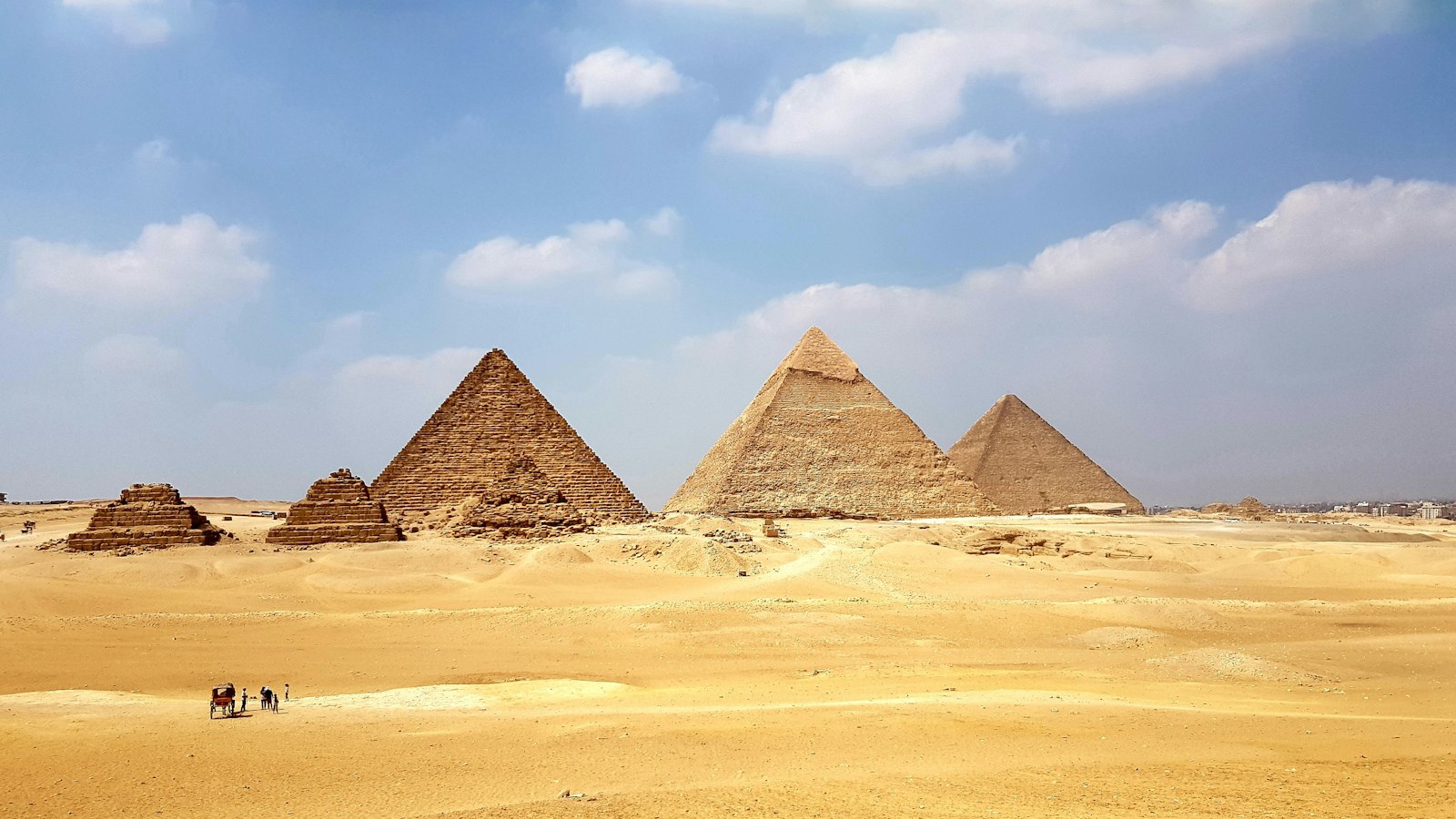
Ask ten people when to visit Egypt and you’ll get eleven answers, usually delivered with total confidence. “Go in winter!” “Never go in summer!” “Spring is perfect, apart from the sandstorms!” The truth is a bit more useful than that: Egypt is a year-round destination, but the experience changes enormously depending on when you land and where you’re headed.
This guide breaks the year down month by month, then region by region, so you can match the calendar to the kind of trip you actually want. Think of it as a weather forecast with opinions.
The short answer: October to April
If you want one rule to remember, make it this: the best time to visit Egypt for most travellers is between October and April, when daytime temperatures are comfortable enough to explore ancient temples without melting into the sandstone. November to March is the sweet spot for classic sightseeing along the Nile, while the shoulder months of October and April add slightly fewer crowds and a bit more warmth.
To put numbers on it, Intrepid Travel’s climate guide to Egypt lists average winter highs (December to February) of about 18°C in Cairo and 24°C in Aswan. Compare that with summer, when the same guide puts Aswan’s average highs at around 41°C. Same country, same pyramids-and-temples itinerary, very different afternoon.
Egypt month by month
December to February: peak season and perfect sightseeing weather
Winter is Egypt at its most agreeable. Cairo averages highs of roughly 18°C with lows around 9°C, whilst Aswan sits at around 24°C by day, according to Intrepid Travel. That makes it ideal for long days at Karnak, the Valley of the Kings and the Giza Plateau, with no need to schedule your life around the sun.
The catch? Everyone else has had the same brilliant idea. Christmas and New Year are typically the busiest and most expensive weeks of the year, so book early. Evenings in Cairo can be properly chilly, so pack a jumper (yes, really, for Egypt). A festive Nile cruise is a hugely popular way to spend it, so don’t leave booking to December.
March to May: warm, bright and occasionally dusty
Spring brings warmer days: Intrepid Travel gives Cairo average highs of 27°C and Aswan 34°C across March to May. It’s a lovely time for photography and for people who prefer warmth to jumpers. However, the same source notes that March and April in Cairo can be windy and bring sandstorms, so expect the odd hazy day and keep a scarf handy to cover your nose and mouth.
By May, Upper Egypt is getting properly hot. If you plan to visit Luxor and Aswan late in spring, start your sightseeing at sunrise and treat lunch as a sacred rest period.
June to August: hot, quiet and best for the coast
Summer is the hot one. Intrepid Travel lists average highs of 34°C in Cairo and 41°C in Aswan, with July and August the hottest months. Sightseeing is still possible, but it demands a plan: early starts, air-conditioned coaches, long breaks and a great deal of water.
The upside is fewer tourists and, often, lower prices. Summer also suits beach lovers: the Red Sea resorts stay sunny, and Alexandria on the Mediterranean is at its best for swimming in August, with sea temperatures of around 26°C according to the same guide.
September to November: the heat eases, the crowds haven’t arrived
Autumn is the underrated season. Average highs fall to about 28°C in Cairo and 35°C in Aswan, and the light turns golden in the late afternoon. September can still feel summery in the south, but by late October and November conditions are close to ideal, with the main tourist rush yet to begin. If you can only pick one window, late October to mid-November is hard to beat.
Best time to visit by region
Cairo and Giza
Cairo is manageable for most of the year, but it is at its most pleasant from October to April. Summer afternoons are hot and can feel heavy, and spring may bring dust. Plan outdoor sites like the pyramids for the morning, then retreat to museums in the afternoon.
Luxor and Aswan
Southern Egypt is where timing matters most. Temples such as Karnak and Abu Simbel, and tombs in the Valley of the Kings, involve a lot of walking in open sun. November to February is the comfortable window; anything between May and September calls for dawn starts and a high tolerance for heat.
Nile cruises
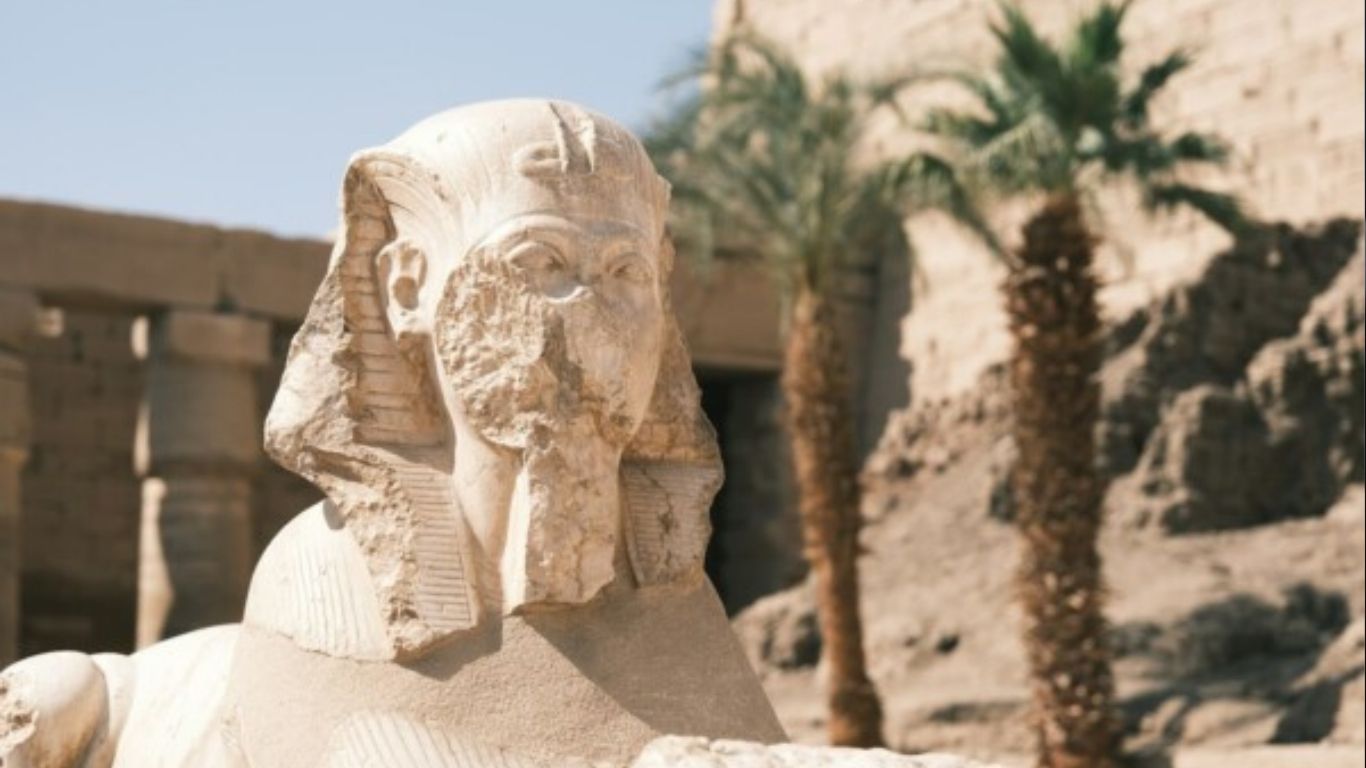
A cruise between Luxor and Aswan is wonderful in winter, when you can sit on the sun deck without wilting. In the hotter months, the ship’s pool and air conditioning become your best friends. Browse our Nile cruises to see what’s on offer for each season.
The Red Sea coast
Hurghada and the Red Sea resorts are sunny all year round, and the sea averages about 24°C, according to Intrepid Travel. The guide recommends early autumn and late spring for fewer crowds. Summer highs reach around 35°C, though sea breezes and the water make that far easier to handle than a desert temple at noon. Snorkelling and diving are excellent across the seasons.
Best time to visit Egypt for your type of trip
- First-time sightseeing: November to March. Comfortable temperatures make long days at the temples a pleasure rather than an endurance test.
- Fewer crowds: late October, early November, or April. You’ll still get good weather without the Christmas rush.
- Beach and diving: April to June and September to November, when the Red Sea is warm and the resorts are less busy than in peak winter.
- Tight budgets: summer, if you can handle the heat. Fewer visitors usually means better deals.
- Families with children: winter or autumn half-terms. Little ones and 41°C do not mix, however enthusiastic they are about mummies.
Ramadan, holidays and festivals
Ramadan is worth factoring in. According to Wego’s guide to Ramadan in Egypt, Ramadan 2027 is expected to run from about 9 February to 10 March, with Eid al-Fitr around 11 March, depending on the moon sighting. Egypt remains very much open to visitors during this time, and the evenings are wonderfully atmospheric, with lanterns, iftar feasts and cafés open until the small hours.
There are practical differences, though. The same guide notes that museums usually close around 3 or 4 pm, major sites like the Pyramids and Saqqara stay open until about 4:30 pm, and visitors are expected to be discreet when eating or drinking in public during daylight. Plan sightseeing for the morning and enjoy a late dinner.
For something more cheerful and less schedule-bending, there’s Sham El Nessim, an ancient spring festival celebrated by Egyptians of all religions. OfficeHolidays lists it for Monday 3 May 2027, the day after Coptic Orthodox Easter Sunday. Expect parks, riverbanks and picnic spots full of families, so book your hotel early if you want to join in.
Crowds and prices through the year
As a general pattern, Egypt follows the weather. Prices and crowds rise through the cooler months and peak around Christmas, New Year and the school holidays, then ease off as the heat builds. Flights and hotels booked for December can cost noticeably more than the same trip in October or April, and the most popular sights (Giza, Karnak, the Grand Egyptian Museum) can feel busy during peak weeks.
One of the benefits of a well-organised trip is that these pressures become manageable. Pre-booked entrances, early starts and a guide who knows when the tour groups arrive can turn a crowded site into a surprisingly calm one. That’s a big part of what we do at Aviaral Travel, and it’s why a private tour can feel entirely different from wandering up at 11 am.
So, when should you actually go?
If we had to pick, we’d say late October to mid-November, or February to early March. You get comfortable temperatures, clear skies and fewer queues than at Christmas. If you’re tied to school holidays or a specific date, don’t panic: almost any month works with the right planning, the right pace and the right itinerary.
Pairing Egypt with its neighbour is another way to play the calendar. Winter in Egypt followed by spring in Jordan is a classic combination, and you can see what’s available in our Jordan tours.
Frequently asked questions
What is the cheapest month to visit Egypt?
Typically the hot summer months, particularly July and August, offer the lowest prices on hotels and tours. Just remember that you’ll pay for the saving in sweat, especially in Luxor and Aswan.
Is it too hot to visit Egypt in summer?
It depends on where you go. Aswan averages highs of around 41°C in summer, according to Intrepid Travel, which is demanding for sightseeing. Cairo is milder, and the Red Sea and Mediterranean coasts are comfortable for beach holidays. Early starts and plenty of rest make a summer trip doable.
When is the best time for a Nile cruise?
November to March gives you pleasant days on deck and comfortable temperatures at the temples. Cruises run all year, but the shoulder months are a good compromise if you want warmth with fewer crowds.
Should I avoid travelling during Ramadan?
Not necessarily. Many travellers enjoy the atmosphere, and sites remain open. You’ll need to adapt to shorter opening hours and respect local customs by dressing modestly and being discreet with food and drink in public during the day.
Ready to turn the calendar into a plan? Browse our Egypt tours for ready-made itineraries, or tell us your dates and we’ll build a trip around them. Prefer to chat it through first? Drop us a line and we’ll help you pick the month that suits you best.