
Let us be honest: when you tell friends you are taking the children to Egypt, at least one of them will raise an eyebrow. Pyramids, camels and mummies sound like a dream for a ten-year-old. They also sound like a recipe for a meltdown at 2pm in the sun. The truth sits happily in the middle. Egypt is one of the most rewarding family destinations there is, provided you plan it around small legs, short attention spans and a healthy respect for the midday heat.
This guide covers what actually works: the right age and season, which sights children genuinely love, how to pace the days, and the practical bits (food, health, hotels) that make the difference between a trip the family talks about for years and one they politely avoid mentioning.
Is Egypt Suitable for Children?
Yes, and Egyptians are famously warm towards families. Do not be surprised if waiters whisk your toddler off for a cuddle or strangers ask to take a photo with your child. It is meant kindly, and most children (after an initial frown) rather enjoy being minor celebrities.
What matters is how you travel. Egypt is hot for much of the year, distances between the big sights are long, and some of the best places involve steps, sand or uneven ground. A well-planned itinerary with a private driver, a guide who is patient with questions and hotels with a pool turns all of that into a manageable adventure rather than an endurance test.
What Age Is Best?
There is no single right answer, but most families find the sweet spot from about six or seven upwards. At that age children can walk for an hour without complaint, they have usually met the pharaohs at school or through a film, and they can retell the story of Tutankhamun with alarming confidence. Younger children are absolutely welcome, but you will want a slower itinerary, more pool time and a pushchair that copes with rough pavements. Teenagers, meanwhile, tend to love the scale of it all, as long as someone has told them the Wi-Fi is fine.
When to Go with Children
Season matters more with children than with any other kind of traveller. Between roughly October and April, daytime temperatures in Cairo, Luxor and Aswan are far kinder, and that is when family trips work best. Summer in Upper Egypt is intense, and sightseeing in the afternoon is not realistic for little ones. Our month-by-month guide to the best time to visit Egypt breaks it down, and the Christmas and Easter school holidays fall conveniently inside the comfortable window.
The Best Places in Egypt for Families
The Pyramids of Giza and the Sphinx
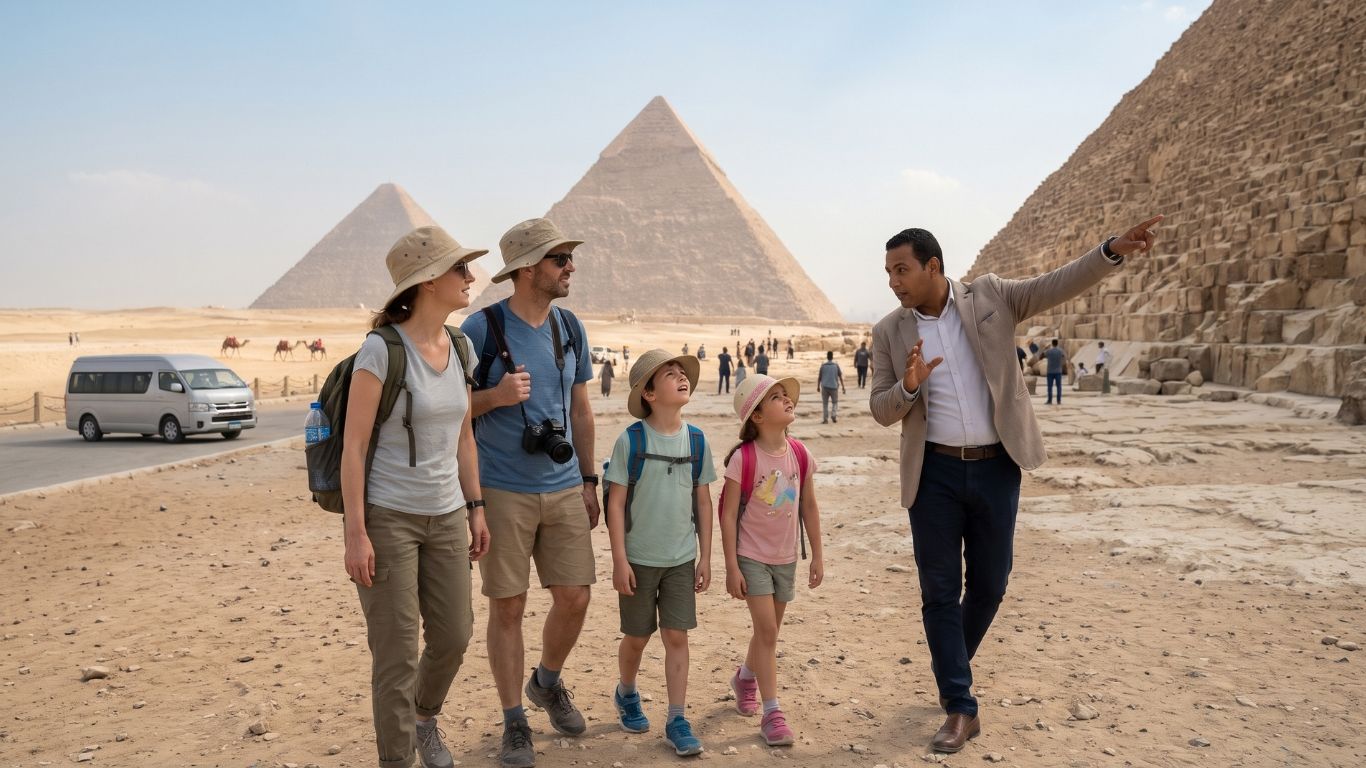
Nothing prepares a child for the first sight of the Great Pyramid, and nothing prepares a parent for the question “how did they actually get those blocks up there?” Go early in the morning, when it is cooler and the crowds are thinner, and keep the visit short and focused. Children usually remember the camel ride, the view of the Sphinx and the moment they realise the stones are taller than they are. You do not need to go inside the pyramids; the outside is the show.
The Grand Egyptian Museum
The Grand Egyptian Museum, within sight of the Giza plateau, is air-conditioned, spacious and full of the objects children actually want to see, including the Tutankhamun collection. It also has a dedicated children’s museum, which makes it a very good choice for a mid-trip day when the sun is at its strongest. Our Egypt tours can include a guide who knows how to keep younger visitors interested, rather than reading every label aloud.
A Nile Cruise or a Felucca Ride
A Nile cruise is the secret weapon of family travel in Egypt. You unpack once, the scenery drifts past the window, there is usually a pool on the top deck, and the temples of Luxor, Edfu, Kom Ombo and Aswan arrive in manageable doses. Children love the novelty of sleeping on a boat. If you are short on time, our 7-day Cairo and Nile cruise (3 nights) pairs the capital’s headline sights with a river stretch.
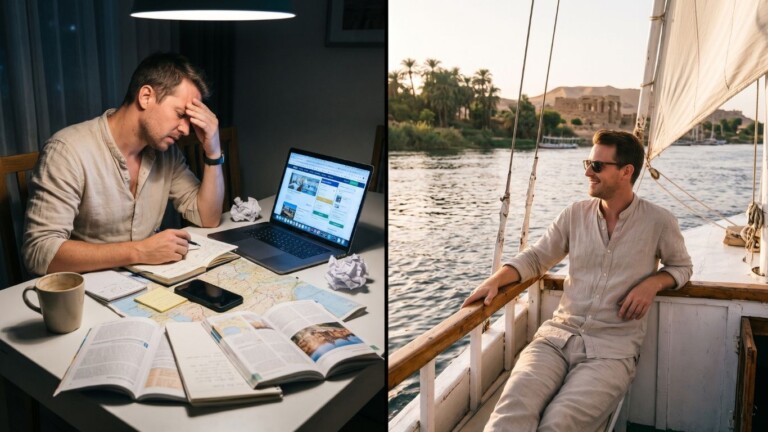
Even if you are not cruising, an hour on a felucca at sunset in Aswan is hard to beat. The little white-sailed boats are quiet, breezy and wonderfully unhurried.
Luxor: Temples, Tombs and Hot-Air Balloons
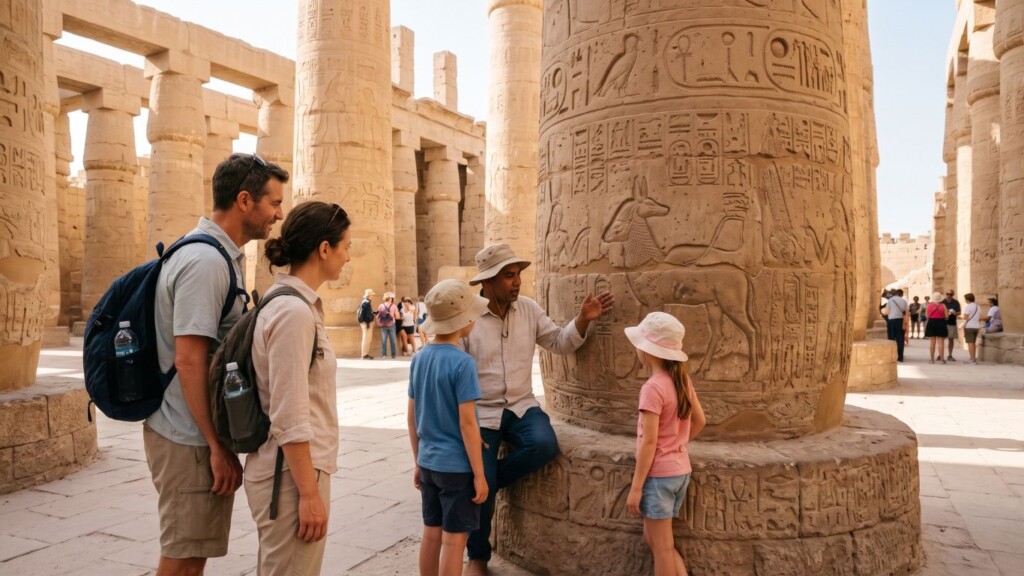
Luxor is the open-air museum that rewards a child’s curiosity. The towering columns of Karnak are brilliant for hide-and-seek (with your guide’s blessing), and the painted tombs in the Valley of the Kings let you play detective with hieroglyphs. Pick one or two tombs rather than six; the colours are lovely, but the tunnels are warm and can feel long to small people. A dawn balloon flight is a showstopper for older children, though check the age and height limits with the operator before you promise anything.
How to Pace the Days
The golden rule is one big sight per day, not three. Egypt rewards slow travel, and children are brilliant at telling you when they have had enough (usually loudly, usually in a queue).
Early Starts, Long Lunches, Pool Afternoons
The classic family rhythm is simple: out of the hotel by 8am, finish the sightseeing by lunchtime, then retreat to the pool for the hottest hours. Evenings are lovely in Egypt, so you can head out again for dinner, a stroll along the Nile or a light show at the pyramids. Build in at least one free day with nothing planned. Everyone will thank you.
How Long Should the Trip Be?
Seven to ten days is a comfortable length for most families: enough to see Cairo, Luxor and Aswan without a punishing schedule. If you want more, the 12-day Egypt tour package adds breathing room, and a few beach days on the Red Sea are an easy way to finish. Our Egypt trip cost guide will help you budget for the number of travellers in your party.
Health, Food and Safety with Children
Vaccinations and Medical Care
The UK government’s foreign travel advice for Egypt recommends checking the latest vaccine recommendations at least eight weeks before you travel, using the TravelHealthPro service. It also advises taking out travel insurance that covers local treatment and unexpected medical evacuation, and notes that the emergency number for an ambulance is 123. Speak to your GP or practice nurse early, particularly for children, and carry a letter for any regular medication, since some medicines are controlled in Egypt.
Food, Water and the Dreaded Tummy Bug
Egyptian food is a gift for fussy eaters: flatbread, rice, falafel, grilled chicken, hummus and chips are everywhere. The usual precautions apply. Stick to bottled or filtered water (including for brushing teeth), choose freshly cooked food that arrives hot, and wash hands often. Pack rehydration sachets and any remedies your family relies on, just in case. A tummy upset is the most common holiday hiccup, and it is far less dramatic with the right kit in the bag.
Sun, Heat and Sensible Kit
Hats, high-factor sun cream, sunglasses and a refillable water bottle are non-negotiable. Lightweight, long, loose clothing keeps the sun off and is respectful at religious sites. Sturdy sandals or trainers help on sandy ground. A small battery fan, a few snacks and a pack of cards will rescue more difficult moments than you would believe.
Is Egypt Safe for Families?
Always check the current advice for your nationality before booking, as the situation can change by region. Travelling with an established operator and a private driver and guide, as our trips do, means someone local is always handling the logistics, transfers and timings. That alone removes most of the stress families worry about.
Fun Things to Do Beyond the Big Sights
Temples are marvellous, but children also need things that involve doing rather than looking. Luckily, Egypt is full of them, and these are often the moments your family will bring up at dinner months later.
Markets, Workshops and Street Life
The Khan el-Khalili bazaar in Cairo is a full-body sensory experience: brass lanterns, piles of spices, glittering scarves and the smell of freshly brewed mint tea. Go in the morning, before the lanes fill up, and give each child a small budget and the job of choosing one souvenir. Haggling becomes a game, and nobody comes home with a suitcase of plastic camels. Papyrus and perfume demonstrations are short, hands-on and surprisingly popular with younger visitors.
Camels, Horses and Desert Sunsets
A gentle camel or horse ride near the pyramids is a rite of passage, and sunset is the best time for it: softer light, cooler air and far better photographs. Ask your guide to arrange it with a reputable handler, and make sure children are comfortable before you set off. If anyone is nervous, a calm walk beside the animal works just as well and earns the same bragging rights.
Red Sea Beach Days
If your family needs a break from history, the Red Sea coast is a brilliant reward. The water is warm and clear, and many hotels have shallow lagoons where children can paddle and try their first snorkel. Use life jackets for beginners, follow the lifeguards’ advice and pack plenty of sun protection. A couple of lazy beach days at the end of the trip give everyone time to recover, and the children will honestly tell you the beach was their favourite part, even if you dragged them through six temples to get there.
Choosing Hotels and Transport
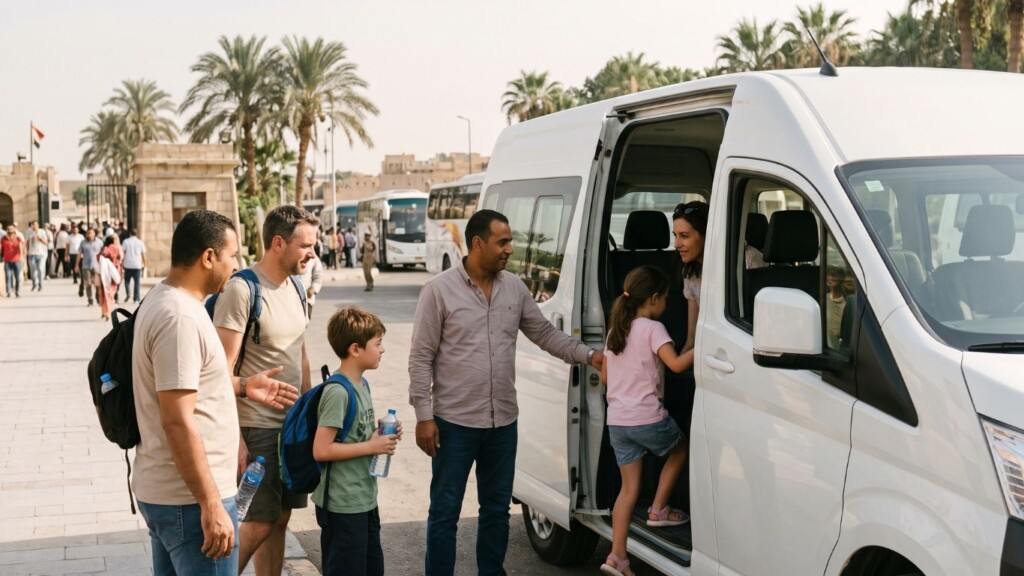
For families, the hotel is basecamp. Look for a pool, air-conditioning that actually works, family rooms or connecting rooms, and breakfast with enough variety to defeat the pickiest eater. Private transfers in an air-conditioned vehicle are worth every penny with children: car seats can be requested in advance, and nobody has to negotiate a taxi with a sleepy five-year-old in tow.
Domestic flights between Cairo and Luxor or Aswan save a long day of travel, and the overnight sleeper train is an adventure of its own for older children, though the cabins are small. A good itinerary mixes the options so nobody spends a whole day in a seat.
Frequently Asked Questions
Can I take a baby or toddler to Egypt?
You can, and many families do. Choose the cooler months, keep the days short, pack a sturdy pushchair or a carrier for steps and sand, and plan sightseeing around nap times. Check vaccine and insurance advice with your GP first.
Do children need their own visa?
Every traveller, including children, needs a valid passport and the correct entry permission for their nationality. The rules change, so read our Egypt visa guide and confirm with the official sources before you book.
Are Nile cruises suitable for children?
Very much so. The ship does the moving, there is a pool on most boats, and temple visits are short and spread across several days. It is often the easiest way to see Upper Egypt with children.
What is the best itinerary length for a family?
Seven to ten days is the sweet spot. Add a few beach days if you want the trip to end on a gentle note.
Plan Your Family Trip to Egypt with Aviaral Travel
Every family is different: a toddler and a grandparent need a different pace from three teenagers. That is exactly why our tailor-made trips exist. Tell us the ages, the interests and how much your lot can tolerate before the snacks run out, and we will build a route with the right guide, the right hotels and the right amount of pool time. Get in touch and let us plan it for you, while you get on with the important job of packing the sun cream.