
Here is a confession from the planning desk: nearly every traveller who books Egypt ends up peering at a map and muttering, “Jordan is basically next door, isn’t it?” It is. And the two countries fit together like a pair of well-worn walking boots: different in character, brilliant in combination. Egypt gives you pharaohs, pyramids and the Nile. Jordan answers with rose-red Petra, star-soaked desert camps and a sea you can float on while reading the paper (more on that shortly).
This guide walks you through a realistic 10 to 12 day itinerary, explains how to hop between the two countries without losing a day to airport sulking, and covers the practical bits that keep the whole thing running smoothly.
Why Pair Egypt and Jordan?
On paper, they are neighbours. In spirit, they offer two very different flavours of the Middle East, and that contrast is exactly the point. Egypt is big, loud, ancient and gloriously chaotic: think temple columns the size of redwoods and a Cairo traffic jam that could test a saint. Jordan is calmer, more compact and wonderfully easy to travel around, with a tradition of Bedouin hospitality that means you will be offered tea within roughly four minutes of arriving anywhere.
Put them together and you get a trip with a natural rhythm. You start with the monuments that shaped the ancient world, then ease into landscapes that feel almost cinematic. There is also a practical bonus: you cross two of the region’s headline sights, the pyramids and Petra, on a single set of flights, a single packing list and a single, much more impressive photo album.
How Many Days Do You Need?
You can technically squeeze both countries into a week, but you will spend most of it looking at the inside of vehicles. Our sweet spot is 10 to 12 days. That gives you roughly five or six days in Egypt, five in Jordan, and a travel day in the middle that does not feel like a punishment.
If you have a shorter window, pick the highlights and accept that you will be back. If you have longer, add a Nile cruise or a Red Sea beach stop. Our tailor-made trips exist precisely so you can stretch or trim the route to fit your calendar.
The Route at a Glance
Here is the 12-day version in one breath, before we unpack it day by day:
- Days 1 to 3: Cairo, Giza and the old city.
- Days 4 to 6: Luxor and Aswan, the temples and the Nile.
- Day 7: Fly from Egypt to Amman.
- Day 8: Amman and Jerash.
- Days 9 and 10: The Dead Sea, Mount Nebo and Petra.
- Day 11: Wadi Rum and a night under the stars.
- Day 12: Back to Amman or Aqaba for your flight home.
Days 1 to 3: Cairo and Giza

Land in Cairo, drop your bags and resist the urge to nap. Your first full day belongs to Giza. The Great Pyramid, the Sphinx and the neighbouring pyramids are famous for a reason, and standing next to them still does something peculiar to your sense of scale. Go early, before the heat and the crowds build, and give yourself a proper morning rather than a rushed hour.
Day two is for museums and markets. The Grand Egyptian Museum is the headline act, and you can easily spend half a day there. In the afternoon, wander through Old Cairo and into the lanes around Khan el-Khalili, where bargaining is a sport and the mint tea is part of the negotiation. If you want to know what to see beyond the obvious, our guide to the best time to visit Egypt will also help you decide when to go and what to pack.
Day three can be a slower one: the Citadel of Saladin, a felucca ride at sunset, or simply a long dinner somewhere with a view of the river. You will need the energy for what comes next.
Days 4 to 6: Luxor and Aswan
Fly south to Luxor, often described as the world’s greatest open-air museum. The Valley of the Kings, Karnak and Luxor Temple could fill a week on their own, but in a combined trip you can see the best of them in a day and a half. Go to the west bank first, while it is cool, then spend the late afternoon at Karnak when the light turns honey-coloured.
From there, head on to Aswan, either by road, by train or on a Nile cruise if your schedule allows it. Aswan has a softer, slower feel than Cairo or Luxor. Spend a morning at Philae Temple, which sits on its own island and looks faintly unreal on arrival by boat, and an afternoon sailing around Elephantine Island. If you are happy to wake up very early, Abu Simbel is an unforgettable add-on.
Prefer a lazier pace with more time on the water? Our 7-day Cairo and Nile cruise shows how a cruise can replace the flights and hotel changes in this section. For the full Egyptian classics in one package, see our 12-day Egypt tour package, which you can then combine with the Jordan section below.
Day 7: Crossing from Egypt to Jordan
This is the day that makes some people nervous, so let us demystify it. The simplest option is a short flight, usually via Cairo, from Aswan or Luxor to Amman. Direct flights between Cairo and Amman take well under two hours, so with check-in and a sensible airport buffer you can be sipping your first Jordanian coffee by dinner.
A few tips to keep the day painless:
- Book a morning or early afternoon flight where possible, so that a delay does not eat your evening.
- Keep passports, visas and printed confirmations in your hand luggage, not in the suitcase that is currently on a conveyor belt somewhere.
- Arrange a private transfer in advance. After a long day of airports, a driver holding your name on a card is a small but real joy.
This is where booking a single organised itinerary pays off. Flights, transfers and hotels are timed to fit together, so the border between two countries feels like a line on a map rather than a logistics puzzle.
Day 8: Amman and Jerash
Amman is a relaxed capital built across a scatter of hills. Start with the Citadel for a view over the city and a handful of Roman and Umayyad ruins, then drive north to Jerash. Often called one of the best-preserved Roman provincial cities in the world, Jerash comes with colonnaded streets, a hippodrome and an oval plaza that looks as though the shopkeepers have just popped out for lunch. Allow two to three hours and bring a hat. If you would rather see these sites with a guide and no logistics, our Jordan in 4 days tour covers Jerash, Petra and Wadi Rum at a brisk but civilised pace.
Days 9 and 10: The Dead Sea, Mount Nebo and Petra
Drive south along the King’s Highway, stopping at Mount Nebo, where tradition says Moses looked over the Promised Land, and the mosaic-rich town of Madaba. You can then detour to the Dead Sea, whose shoreline sits more than 400 metres below sea level. The water is so salty that floating is effortless, which is just as well because attempting to swim is mostly an exercise in flailing. Do not shave beforehand, and do not splash near your eyes. You have been warned.
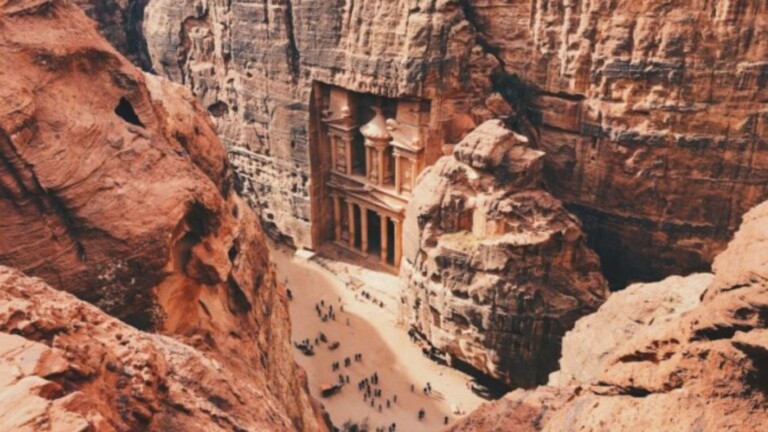
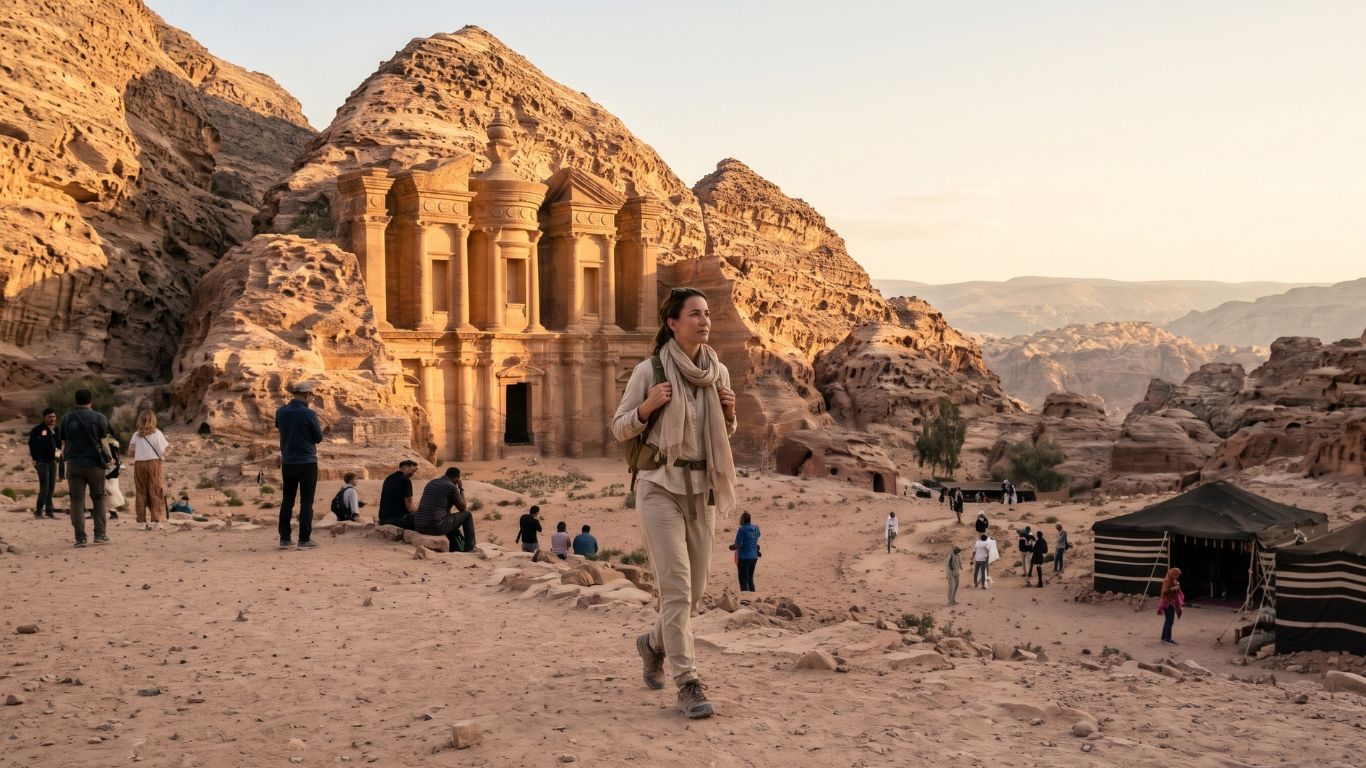
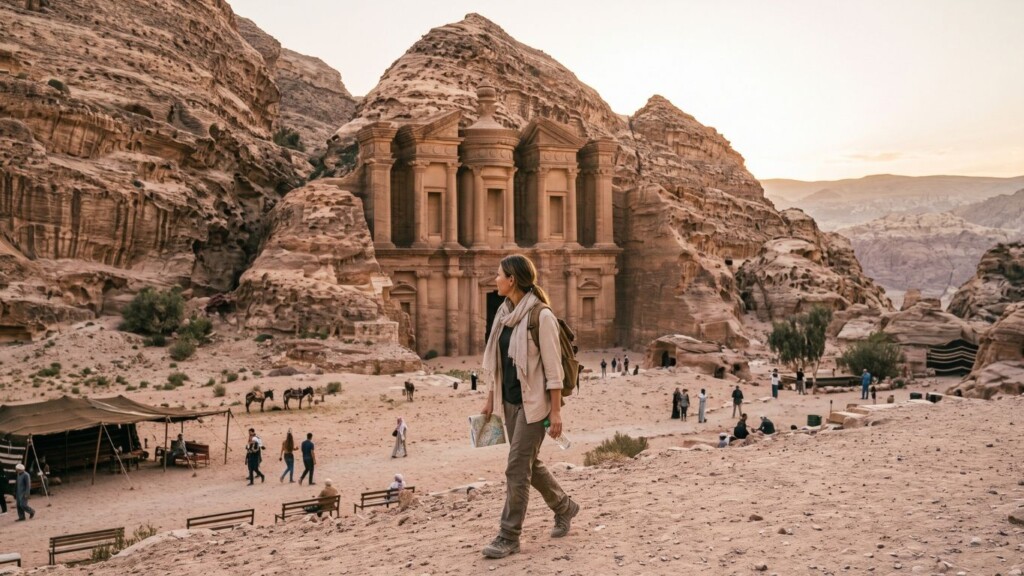
Then comes the main event. Petra is a UNESCO World Heritage Site, and arriving through the Siq, the narrow canyon that opens onto the Treasury, is one of those travel moments that lives up to the hype. Give it a full day, and ideally more. Beyond the Treasury, there are the Royal Tombs, the Monastery (about 800 steps up, with a view that makes the effort laughable in hindsight) and endless side trails that most visitors never explore.
Wear proper shoes, carry more water than you think you need, and plan the Monastery for the cooler part of the day. If you can stay for the evening, the candlelit Petra by Night experience is a separate ticket and worth considering.
Day 11: Wadi Rum
From Petra, Wadi Rum is roughly an hour and a half’s drive, and the landscape changes completely: red sand, towering sandstone cliffs and a silence you can almost hear. Also a UNESCO World Heritage Site, it is the desert that doubled for Mars in several films, so do not be surprised if you find yourself humming a space-travel soundtrack.
Take a 4×4 tour with a Bedouin guide, then settle in at a desert camp. Dinner is often a zarb, a feast cooked slowly underground, followed by tea by the fire and a sky so full of stars that it feels like someone turned the brightness up. It is the perfect counterweight to the intensity of Cairo, and for many travellers it ends up being the highlight of the entire trip.
Day 12: Heading Home
From Wadi Rum, you can transfer to Aqaba, on the Red Sea, or return north to Amman for your onward flight. If you have an extra day, Aqaba is a lovely place to snorkel, swim and recover from your adventures. Our Complete Jordan 8-day tour follows a similar route through Jordan if you would like to see how the Jordanian half fits together on its own.
Practical Tips Before You Book
Visas
Entry rules differ for each country and for each passport, so check yours before booking. For Egypt, our Egypt visa guide explains the process step by step. For Jordan, the government of the United Kingdom publishes up-to-date entry requirements for Jordan, and other nationalities should check with their own foreign ministry.
The Jordan Pass
The Jordan Pass is worth knowing about. According to the Jordan Tourism Board, it includes Petra entry and access to over 40 other sites, including Jerash and Wadi Rum, and it waives the tourist visa fee if you stay at least three nights in Jordan. It does not cover Petra by Night. For comparison, the Tourism Board lists the standard one-day Petra ticket for visitors staying overnight at 50 JD. Current Pass prices are on the official Jordan Pass website, so you can do the sums yourself. On a five-night Jordan stay, it usually makes sense to run the numbers.
When to Go
Spring (March to May) and autumn (September to November) are the sweet spots for both countries. Summer in Upper Egypt is intense, and winter nights in Wadi Rum can be properly cold, so pack layers whichever month you choose. For more detail on the Egyptian side, see our month-by-month best time to visit Egypt guide.
Budget
Costs depend on hotel level, flights and how much of the trip is organised in advance. If you would like a realistic picture of what an Egyptian trip costs before you add the Jordanian leg, read How Much Does a Trip to Egypt Cost?.
What to Pack
Light, breathable clothes that cover shoulders and knees are best for temples, mosques and everyday comfort. Add a sun hat, sunglasses, a scarf for sun and sand, a refillable water bottle and comfortable closed shoes. For Wadi Rum, a warm layer for the evening is non-negotiable. Everything else, including your sense of humour about the occasional delayed bus, is optional but highly recommended.
Frequently Asked Questions
Can I really do Egypt and Jordan in 10 days?
Yes, if you focus on the highlights: Cairo, Luxor, Petra and Wadi Rum. Twelve days is more relaxed, and it leaves room for Aswan and the Dead Sea.
Do I need two separate visas?
Yes. Egypt and Jordan have separate entry rules, and requirements depend on your nationality. Check each country’s official guidance before you book flights.
Is it easy to travel between Egypt and Jordan?
It is, particularly by air. A flight between Cairo and Amman takes well under two hours, and an organised itinerary makes the transfer seamless.
Is Jordan or Egypt better for a first trip to the Middle East?
Both work beautifully, which is why we love combining them. Egypt delivers the ancient wonders and the buzz, while Jordan adds calm, hospitality and landscapes you will talk about for years.
Ready to Build Your Route?
If this itinerary has you reaching for a calendar, we can build it around your dates, your budget and your pace, with every flight, transfer and hotel lined up. Browse our Jordan tour and Egypt tour options for inspiration, then get in touch and tell us what your perfect trip looks like. We will take care of the rest, and you can concentrate on the important decisions, like how many photos is too many photos of the Treasury.