
Let’s start with the question you actually typed into Google at midnight, probably with a cup of tea going cold beside you: is Egypt safe? It is a fair thing to ask. Egypt gets a lot of dramatic headlines, and your aunt has definitely forwarded you at least one of them. So here is an honest, practical answer, built on what the official travel advice really says rather than on rumour or brochure sparkle.
The short answer
Millions of visitors see the pyramids, cruise the Nile and sunbathe on the Red Sea every year, and the vast majority go home with nothing worse than a suitcase full of papyrus and a minor haggling addiction. The places most tourists visit are covered by far less alarming advice than the headlines suggest. That said, Egypt is not risk-free, and a sensible traveller reads the advice, avoids a handful of specific regions and follows a few local rules. That is what this guide covers.
What the official advice actually says
Government travel advice can read like a wall of worst-case scenarios, because that is its job. The trick is to read it for geography. Both the British and Spanish governments divide Egypt into areas that are fine for ordinary visitors and areas you should skip, and the dividing line is clearer than you might expect.
The UK view
The UK Foreign, Commonwealth & Development Office (FCDO) is candid that terrorism is a real risk. Its Egypt page says that terrorists are likely to try to carry out attacks and that these could be indiscriminate, including in places visited by foreign nationals. It also notes that extra security measures are in place at tourist sites. On crime, the tone is much calmer: the FCDO describes the crime rate as generally low, says pickpocketing is rare, and advises visitors to take the same sensible precautions they would at home. You can read the full, current wording on the FCDO’s Egypt travel advice page, and we would encourage you to check it before every trip, because advice changes.
The Spanish view
Spain’s foreign ministry (MAEC) takes a similar but slightly more granular approach. In its current recommendations it rates the risk of a terrorist attack in Egypt as low, except in North Sinai, and states that in recent years there has been no terrorist attack against tourist targets in the country. It sorts destinations into risk levels: North Sinai and the Rafah border area are high risk and should be avoided, the borders with Libya and Sudan and the Western Desert (if travelling independently) are medium risk, while Cairo, Alexandria, Luxor, Aswan, the Red Sea resorts on the mainland coast and Sharm el-Sheikh are listed as low risk. Its full advice is on the Spanish ministry’s Egypt page.
Where tourists go, and where they shouldn’t
The classic circuit
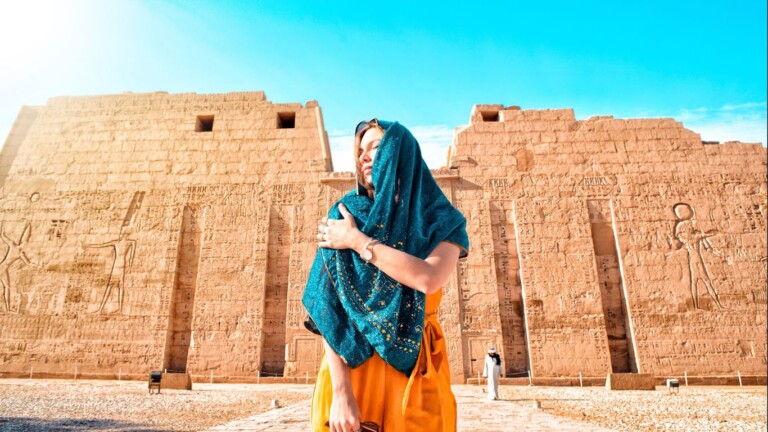
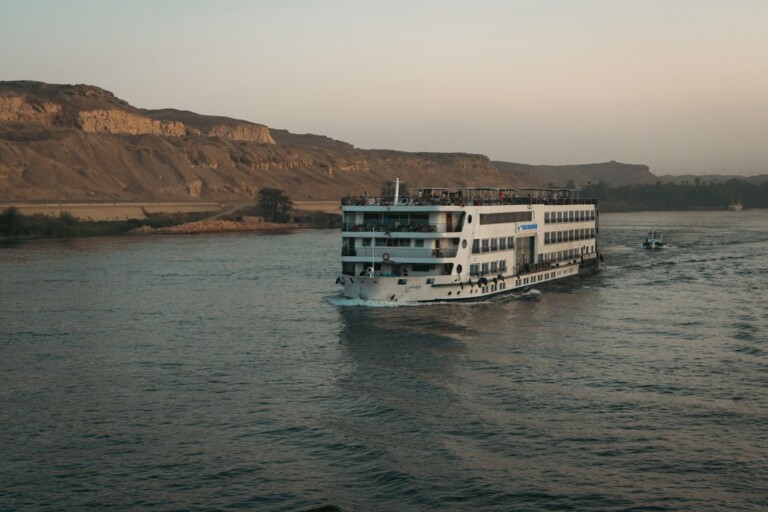
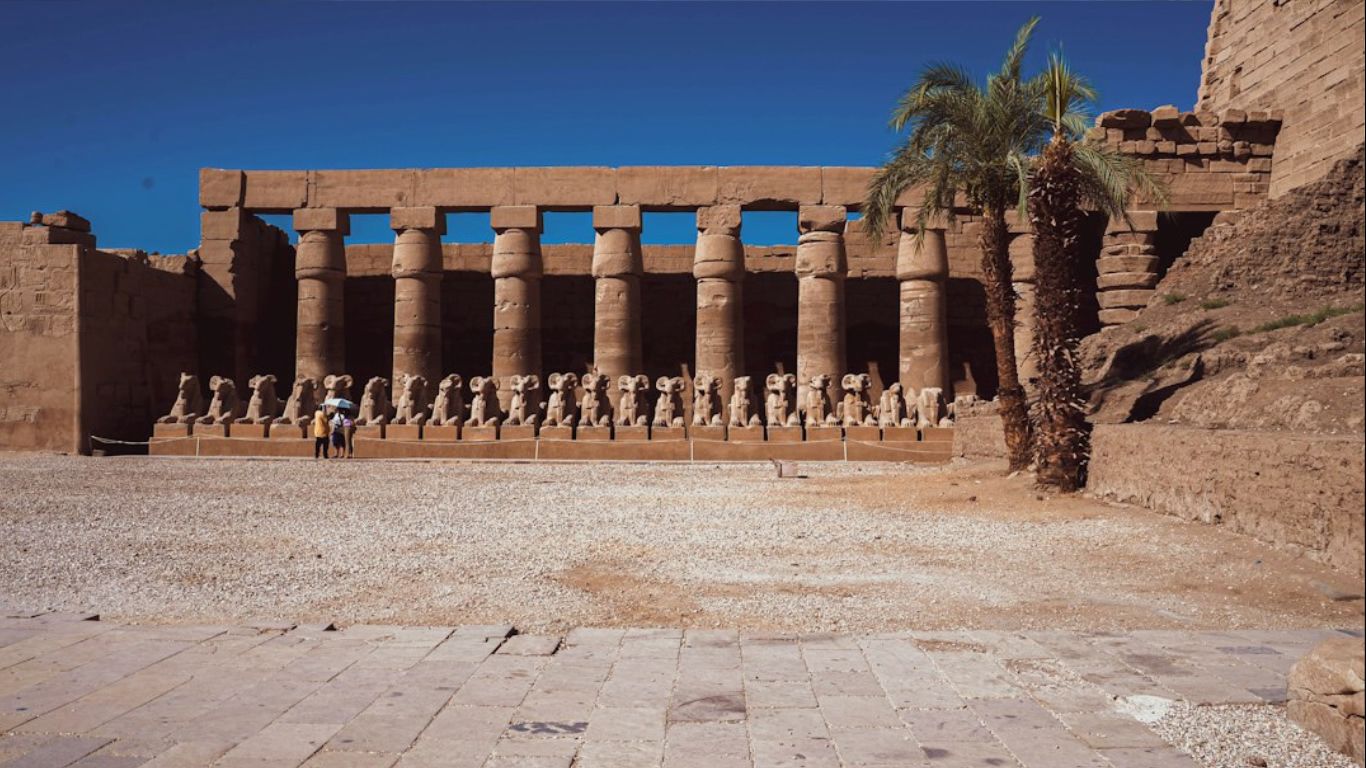
Almost every first-time itinerary runs through Cairo and Giza, up or down the Nile through Luxor and Aswan, and often onwards to a Red Sea resort for a few days of doing absolutely nothing. These are exactly the areas the Spanish ministry rates as low risk. The UK advice, meanwhile, names Luxor, Qina, the Valley of the Kings, Aswan and Abu Simbel as exceptions within its wider caution for the Western Desert, and describes travel to the Red Sea tourist areas of southern Sinai as generally low risk, naming Sharm el-Sheikh, Hurghada and Marsa Alam. If you are planning something along these lines, our realistic seven-day itinerary for Cairo, Luxor and Aswan follows precisely this route.
Areas to leave off your map
The FCDO advises against all travel to North Sinai Governorate and to within 20km of the Egypt-Libya border, and advises against all but essential travel to a handful of other areas: parts of northern South Sinai, the eastern part of Ismailiyah Governorate, the Hala’ib Triangle and Bir Tawil, and much of the Western Desert beyond the exceptions mentioned above. None of these are places a standard tour goes near. If you fancy a desert adventure, the sensible route is to book it through an organised operator who handles permits and official guides, which is a requirement in some areas anyway.
Everyday safety: crime, scams and touts
If the headline risk is the one that worries you, the everyday risk is the one that will actually crop up. Egypt’s day-to-day hazards are mostly of the annoying rather than the dangerous variety, and a bit of preparation neutralises nearly all of them.
Scams and persistent sellers
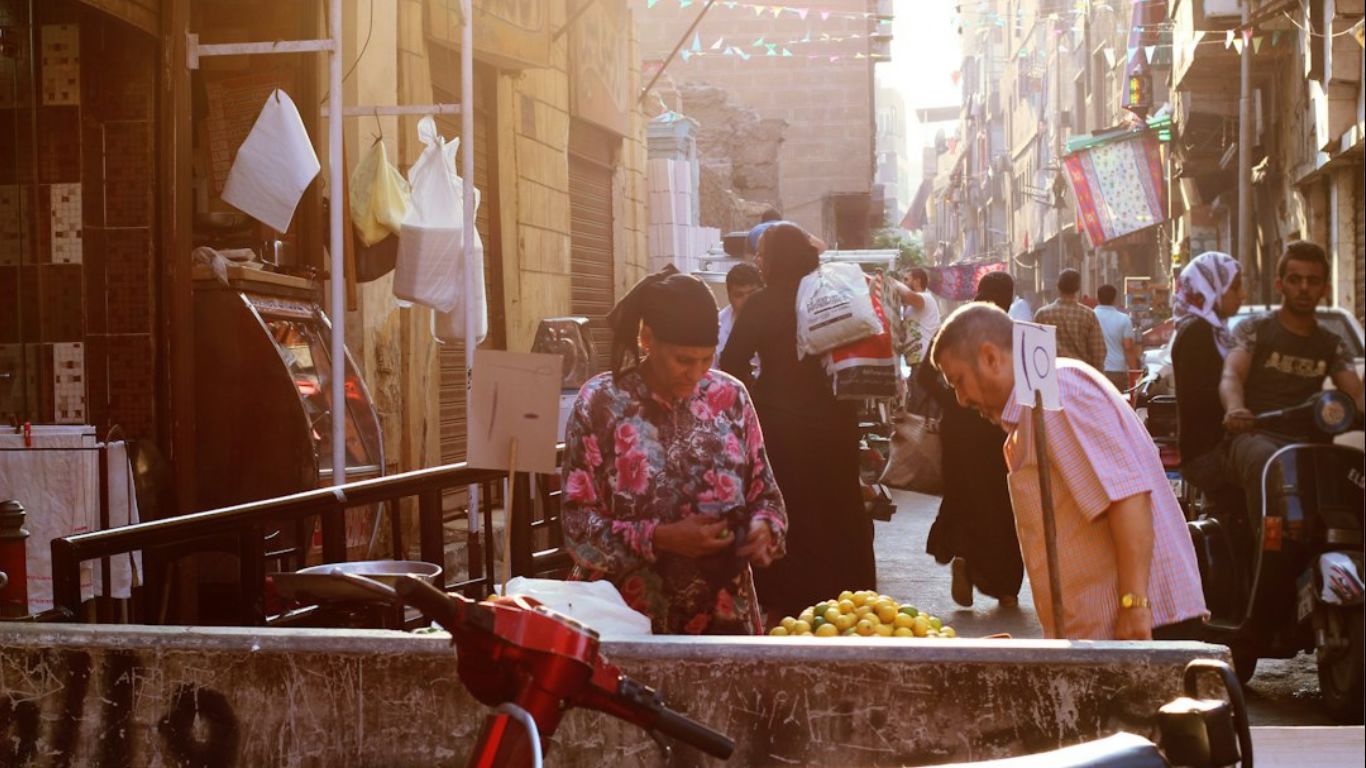
The FCDO warns that scammers and touts target foreign visitors in tourist areas, and anyone who has stood near the pyramids for more than ninety seconds will confirm it. The classics include the “helpful” stranger who claims the site is closed, the free “gift” that turns out to cost a small fortune, and the camel ride whose price changes mid-trot. The defence is cheerful firmness: smile, say la, shukran (no, thank you), and keep walking. Agree prices before any ride, photo or service, and carry small notes so you are not hunting for change in front of an expectant audience. Our guide to what a trip to Egypt really costs will help you spot a fair price when you see one.
Harassment and personal safety
The FCDO reports that most of the sexual assaults reported to British authorities took place in Red Sea tourist resorts, often by someone the victim had met there, including hotel workers and excursion staff. Its practical advice is simple: do not let hotel staff into your room, do not leave children unaccompanied, and avoid taking taxis alone at night. If something does go wrong, report it to the tourist police on 126 before you leave Egypt. Both governments stress this point, because a crime that is not reported locally is very hard to prosecute afterwards.
Rules that catch tourists out
Some of the most serious trouble visitors get into has nothing to do with crime and everything to do with rules that would never occur to them. These are worth five minutes of your attention.
Drones, cameras and sensitive sites
Leave the drone at home. The FCDO says it is illegal to use drones or radio-controlled helicopters to take photos near sensitive sites, that bringing or using one requires Ministry of Defence permission, and that the penalty can be a prison sentence of up to seven years or a fine. The Spanish ministry goes further and describes drones as totally prohibited. Do not photograph military property or personnel, bridges or canals, including the Suez Canal, and note that taking pictures of children is prohibited under the FCDO’s guidance. Ask before photographing anyone, and bring a permit if you plan to use professional equipment.
Dress, behaviour and alcohol
Egypt is a conservative country, and dressing modestly is both respectful and practical, particularly in rural areas, mosques and markets. Covering your shoulders and knees does wonders for your sun protection too. Holding hands is generally fine, but more affectionate displays in public are frowned upon. Alcohol is available in licensed hotels, restaurants and certain resorts, but drinking outside licensed venues is illegal, so the beach picnic with a bottle of wine is best left to other countries.
Protests and social media
Stay away from demonstrations and large gatherings. The FCDO warns that foreigners involved in political activity or activities critical of the government may be at risk of detention, including over negative comments on social media. The Spanish advice adds that any protest requires express authorisation, and that foreigners filming or interviewing locals risk deportation. Holiday photos of the Sphinx are fine; political commentary is a hobby for another trip.
Solo, women and LGBT+ travellers
Women travelling alone
Many women travel to Egypt alone and have a wonderful time, but it is only fair to say that the advice is cautious. The Spanish ministry discourages women from travelling alone, without a travel agency, or outside the usual tourist circuits. In practice, this is where a well-organised trip earns its keep: a driver you trust, a guide who knows the sites, accommodation chosen in advance and someone to call when plans change. We dig into this more in our guide to organised trips versus travelling independently.
LGBT+ travellers
The FCDO notes that same-sex sexual activity is not explicitly criminalised in Egypt, but that authorities have prosecuted LGBT+ people under “debauchery” laws, and that same-sex couples showing affection are likely to receive negative attention. It also warns that you may be denied entry if your gender expression or appearance does not match the sex marker in your passport. Spain’s advice similarly notes that homosexual acts in public are illegal. Discretion in public is the sensible approach, and it is worth reading the current advice carefully before you book.
How to travel smarter
Insurance and registration
Take out travel insurance that includes medical cover before you go. The Spanish ministry strongly recommends it, noting that hospitals often ask for payment upfront and that the embassy cannot provide bail or guarantees. Spanish travellers can also register their trip with the ministry’s Registro de Viajeros, which makes it easier for the authorities to help in an emergency. If you are British, the FCDO’s advice on health in Egypt is worth a read well before departure, and our visa guide covers the paperwork side.
Let someone else handle the logistics
Most of the worry about safety is really worry about the unknown: which taxi, which guide, which route, which price. An organised trip removes a surprising number of those questions. Vetted drivers, licensed guides, hotels chosen for their location and a local team to call if anything changes are exactly what the official advice nudges nervous travellers towards. Our 12-day Egypt tour package and our 7-day Cairo and Nile cruise are built around the low-risk circuit, with the logistics sorted so you can concentrate on the temples. Travelling as a family? Our guide to Egypt with kids goes into the details, and the best time to visit Egypt will help you pick the most comfortable month.
Frequently asked questions
Is it safe to travel to Egypt right now?
For the main tourist areas, official advice currently treats travel as manageable with sensible precautions, while advising against travel to specific regions such as North Sinai. Advice can change quickly, so check the FCDO or your own government’s page shortly before you fly.
Is Cairo safe for tourists?
Spain’s ministry lists Cairo as low risk, and the FCDO describes crime as generally low with pickpocketing rare. The real challenge is the traffic and the persistent sellers, not violent crime. Cross roads with confidence and keep your phone out of reach of passing scooters.
Can I drink the tap water?
Stick to bottled or filtered water, and use it for brushing your teeth too. Your stomach will thank you, and so will your itinerary.
Who should I call in an emergency?
The FCDO gives 126 as the number for the tourist police, and both governments stress reporting any crime before you leave the country. Save the number in your phone, along with your hotel’s address in Arabic.
Egypt rewards travellers who do a little homework, and the homework above takes about as long as a long lunch. If you would rather have someone who knows the ground do the planning, tell us about your dream trip or get in touch, and we will put together a journey that is organised, comfortable and built around the places that are genuinely worth your time.